If you are choosing where to live in Carrboro, a farmers’ market might seem like a small detail at first. In reality, the Carrboro Farmers’ Market can shape how you shop, move around town, plan your weekends, and connect with downtown. If you want a neighborhood that supports a walkable, local, and routine-driven lifestyle, this market gives you a useful lens for evaluating fit. Let’s dive in.
Why the Carrboro Farmers’ Market matters
The Carrboro Farmers’ Market is located at Carrboro Town Commons at 301 W Main Street in downtown Carrboro. It is not a pop-up event or occasional attraction. The market operates on Saturdays year-round, with Wednesday market hours offered seasonally, which helps make it part of many residents’ weekly rhythm.
It also has deep roots in the area. The market grew out of informal Chapel Hill-area markets before 1977, moved into Carrboro in 1977, began operating at Carrboro Town Commons in 1996, and celebrated its 45th anniversary in 2024. That kind of history gives it staying power as a civic anchor in downtown Carrboro.
A market that supports everyday living
One reason this market shapes local living is its practical value. The market describes itself as farmer-run, with all goods produced within 50 miles, and more than 75 members selling local produce and artisan goods. For you as a resident, that means the market can become part of your regular grocery and meal-planning routine, not just a weekend outing.
The vendor mix supports real day-to-day needs. Shoppers can find produce, pasture-raised meats, eggs, cheeses, breads, pastries, and artisan goods sold directly by the people who made or grew them. That direct connection changes the shopping experience because you are not just picking up ingredients, you are also learning what is in season and building familiarity with local producers.
How the market shapes weekly routines
When a market runs consistently, it starts to influence how you organize your week. Saturday hours year-round can anchor a standing routine for grocery shopping, meal prep, or a downtown stop before other errands. Seasonal Wednesday hours add another touchpoint for households that want a midweek visit.
This matters when you are thinking about where to live. Some neighborhoods support spontaneous routines better than others. If you live close enough to walk, bike, or take a short transit trip, the market feels woven into everyday life instead of requiring a special trip.
Carrboro Farmers’ Market and community life
The market is also part of Carrboro’s social fabric. Its mission emphasizes direct relationships between farmers, artisans, and customers, which helps explain why many people use the market as a place to talk, compare options, and reconnect with familiar faces. That community function adds value beyond the products themselves.
Carrboro’s broader event culture reinforces that role. The town’s community calendar includes food truck rodeos, wine tastings, outdoor concerts, and poetry festivals, and the Town Commons has hosted community events as well. The market has also been used as a community partner in downtown planning outreach, showing that it is treated as part of Carrboro’s civic infrastructure.
Family-friendly features at the market
For households with children, the market offers more than shopping. Market Bunch provides weekly Wednesday activities during the main season, including games, tastings, and food education for kids. At times, local chefs also prepare kid-friendly dishes.
The setting supports family use too. Carrboro Town Commons was renovated in 2017 and 2018 with restrooms, lighting, irrigation, a fenced playground, and more accessible parking. Together, those features help make a market visit easier to fold into your family routine.
Budget-conscious shopping options
Local markets are sometimes seen as serving only a narrow slice of shoppers, but the Carrboro Farmers’ Market has programs that broaden access. The market accepts SNAP/EBT and offers Double Bucks and related benefit matching, along with FMNP support. In practical terms, that can help households stretch a grocery budget while still shopping at the market.
That point matters in a neighborhood guide because it shows the market plays a wider role in daily life. It is relevant to different household budgets and needs, not just to people looking for a specialty shopping experience.
Sustainability in the weekly routine
The market also adds a sustainability layer to local living. It runs a free compost drop-off program every Saturday market day year-round in partnership with Orange County Solid Waste Management and the Town of Carrboro. If you value routines that reduce waste, this is another way the market becomes part of everyday household habits.
Small conveniences like this can influence where you feel most at home. A neighborhood that makes regular tasks easier often feels more functional over time.
Getting there without relying on a car
If the market is central to your lifestyle goals, mobility matters. The market encourages visitors to consider walking, biking, bus use, or other transportation choices because parking can be challenging in downtown Carrboro. That tells you something important about the area right away: this is a place designed for more than just car access.
The market is convenient to the CW, J, and F Chapel Hill Transit routes. Chapel Hill Transit states that its fixed-route service is fare-free, which can make market access easier for residents who prefer a car-light routine. For many buyers and renters, that is a meaningful quality-of-life factor.
What parking is like downtown
If you do drive, public downtown parking in Carrboro is free, but it comes with a two-hour time limit. That setup works well for a market trip or a short downtown visit, but it also reinforces the value of living nearby if you want the easiest access. You can certainly drive to the market, but the experience tends to be more seamless if you can walk, bike, or hop on transit.
This is one of those practical trade-offs that matters during a home search. Convenience is not just about distance on a map. It is also about how easy a place feels to use week after week.
A walkable and bikeable Carrboro lifestyle
Carrboro’s planning documents support this market-centered lifestyle. The town’s comprehensive plan says Carrboro is building on its record as a transit leader and as a more walkable and bikeable community. State walk and bike planning information also notes that Carrboro has a bicycle mode share above 5%, one of the highest in the country.
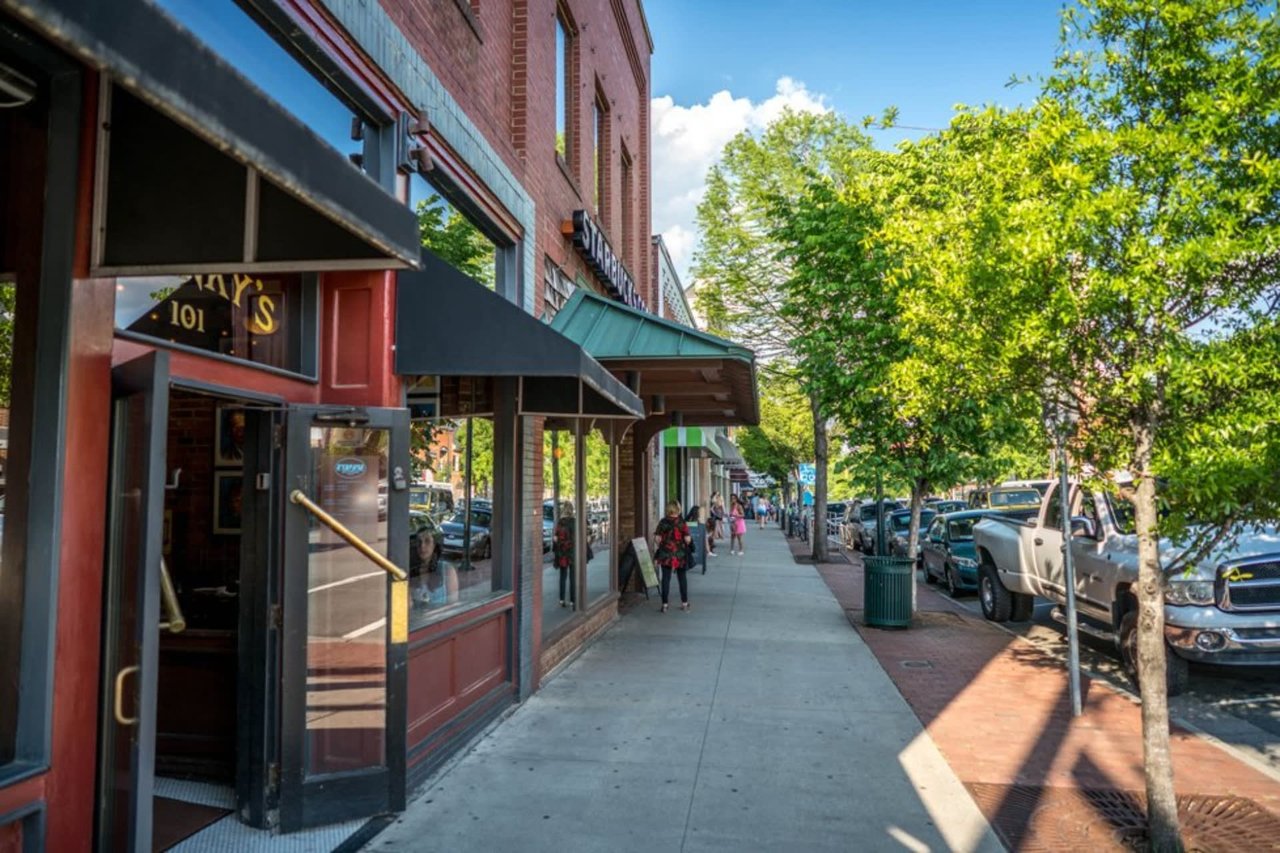
Downtown planning points in the same direction. The Downtown Core is intended to support a better pedestrian experience, with development close to the sidewalk and street to improve the streetscape. If you are searching for a home where daily errands feel more connected, this planning context matters.
Where to focus your home search
If your goal is a market-first lifestyle, the strongest fit is downtown Carrboro and the nearby downtown-edge areas. Because the market sits on West Main Street, the most natural search area includes the Downtown Core and the surrounding streets that connect to it. These areas are most likely to support the easy, spontaneous feel of walking to the market.
The key appeal here is not just proximity. It is the ability to make the market part of normal life, whether that means grabbing produce on Saturday morning, meeting someone downtown, or pairing a market stop with other nearby errands.
Best fit for a market-first lifestyle
A market-first lifestyle usually works best when you can reach the Town Commons without much planning. Downtown Carrboro and nearby areas around Main Street, Weaver Street, Greensboro Street, and the West Main, Hillsborough, and Greensboro transition areas line up most closely with that goal. These locations are the strongest match for buyers who value walkability and frequent downtown access.
That does not mean every home search needs to start and end downtown. It does mean you should be honest about how often you want to use the market and how much convenience matters in your day-to-day routine.
Good fit for transit-connected access
If you care more about transit convenience than being within walking distance, your search can expand. The Town of Chapel Hill’s common-destinations transit information lists Carrboro Farmers’ Market on the CW route and Downtown Carrboro on the CW, F, and J routes. That opens up more housing options for people who want regular market access without needing to live right in the downtown core.
The trade-off is straightforward. You may gain more housing variety or a different price point, but you give up some of the spontaneous walk-to-market experience that makes downtown Carrboro especially appealing.
What this means for buyers and renters
For buyers, the market offers a practical way to think about neighborhood fit. If local food access, walkability, community events, and transit options are high on your list, living near downtown Carrboro may deserve extra attention. If you prefer more space or a different location, transit-connected areas can still offer access, but with a different daily feel.
For renters, the same logic applies. A home’s value is not only about square footage or finishes. It is also about how well the location supports your routines, whether that means shopping locally, getting around without driving every day, or enjoying the energy of downtown.
Why the market is a useful neighborhood guide
The Carrboro Farmers’ Market works so well as a neighborhood guide because it touches multiple parts of everyday life at once. It influences shopping habits, social routines, transportation choices, family activities, and even sustainability practices. Few local amenities have that kind of reach.
When you evaluate Carrboro through the lens of the market, you get a clearer picture of how a neighborhood may actually feel to live in. That is often more useful than looking at a map alone. The right location is the one that supports your real routines, not just your ideal ones.
If you are weighing a move in Carrboro or the broader Triangle, it helps to look beyond the listing and focus on how you want your week to work. Chris and Kevin Knapp take a practical, local approach to helping clients think through neighborhood fit, daily routines, and long-term housing decisions. When you are ready to talk through your options, start a conversation with Chris & Kevin Knapp - Main Site.
FAQs
Is the Carrboro Farmers’ Market open year-round?
- Yes. The market operates on Saturdays year-round, with Wednesday market hours offered seasonally.
Is the Carrboro Farmers’ Market family-friendly?
- Yes. The market offers Market Bunch programming for kids during the main season, and Carrboro Town Commons includes features like restrooms and a fenced playground.
Can you reach the Carrboro Farmers’ Market without a car?
- Yes. The market is convenient to the CW, J, and F Chapel Hill Transit routes, and the area is supported by Carrboro’s walkable and bikeable planning approach.
Is parking available near the Carrboro Farmers’ Market?
- Yes. Public downtown parking in Carrboro is free, though it has a two-hour time limit and can be challenging during busy periods.
Does the Carrboro Farmers’ Market support budget-conscious shoppers?
- Yes. The market accepts SNAP/EBT and offers Double Bucks and related benefit matching, along with FMNP support.
Which Carrboro areas best support a market-centered lifestyle?
- Downtown Carrboro and nearby downtown-edge areas offer the strongest fit if you want the most direct, spontaneous access to the market and Town Commons.