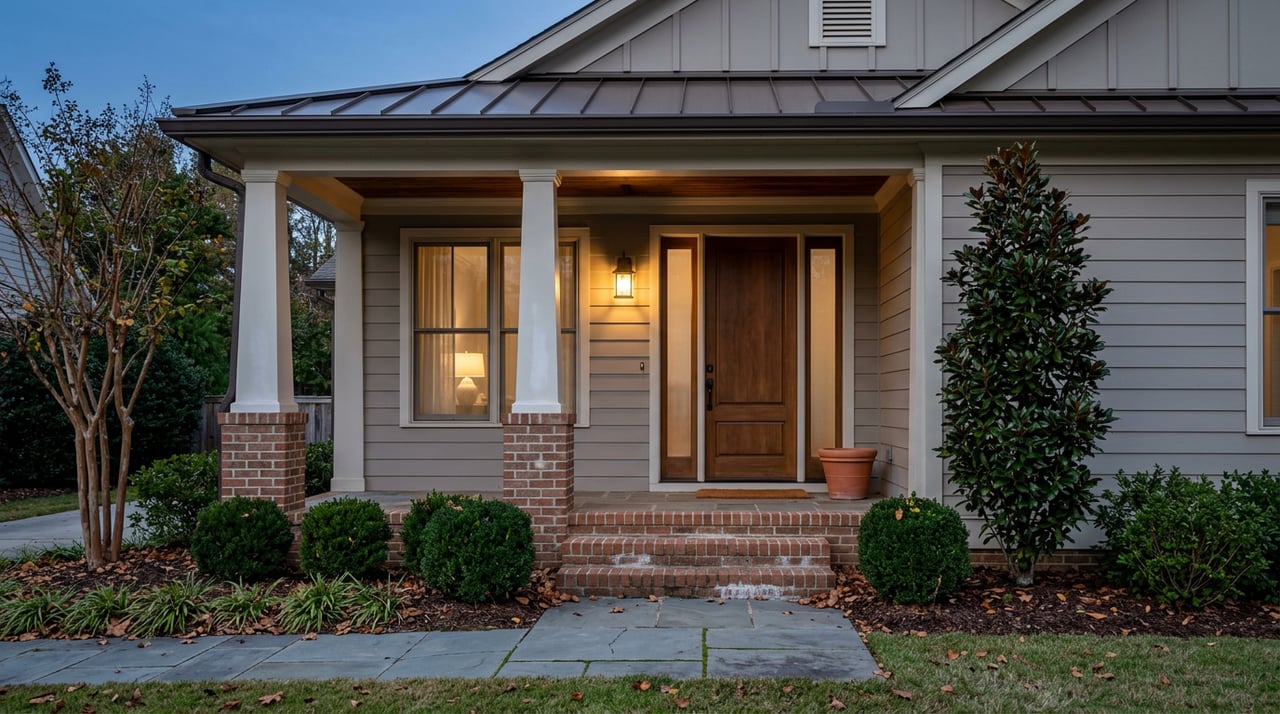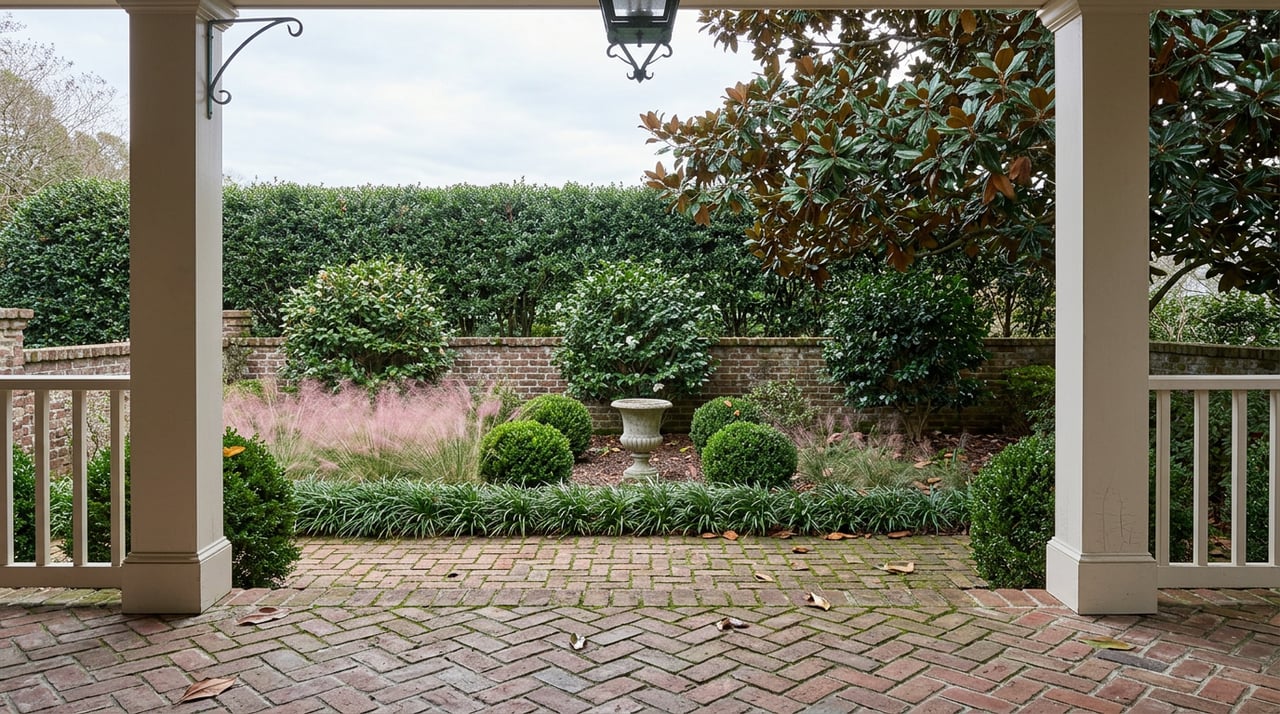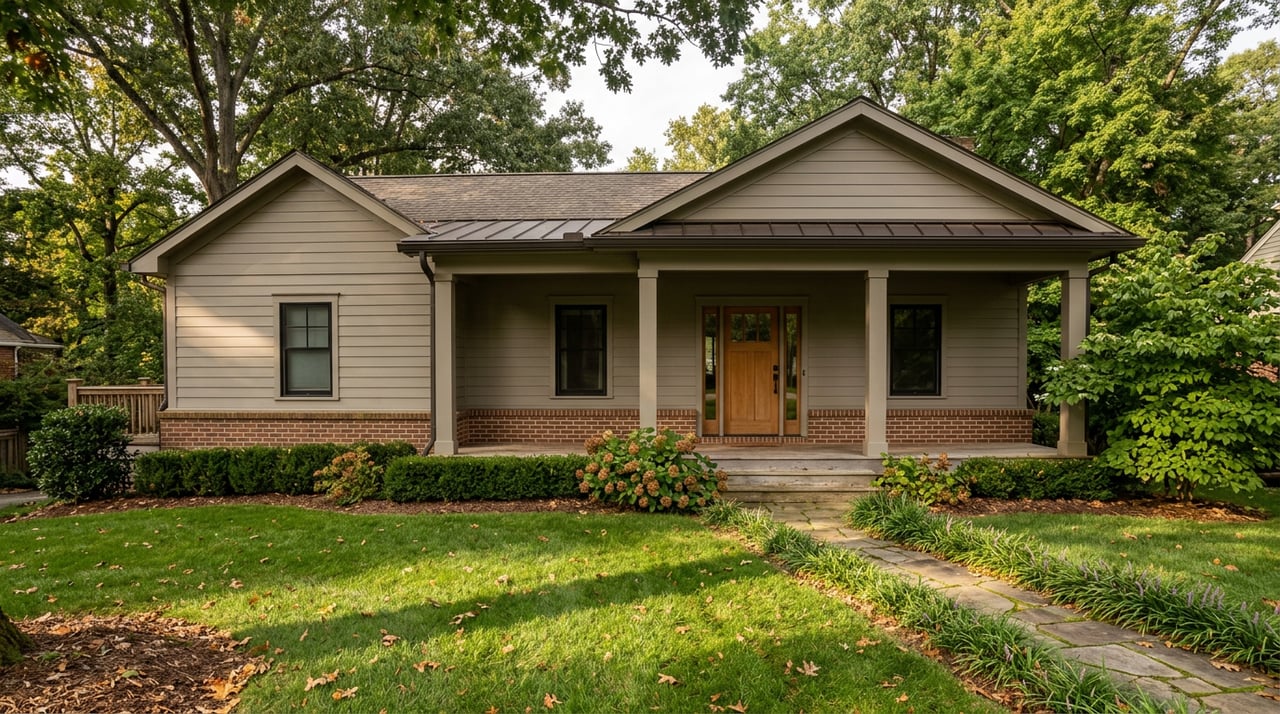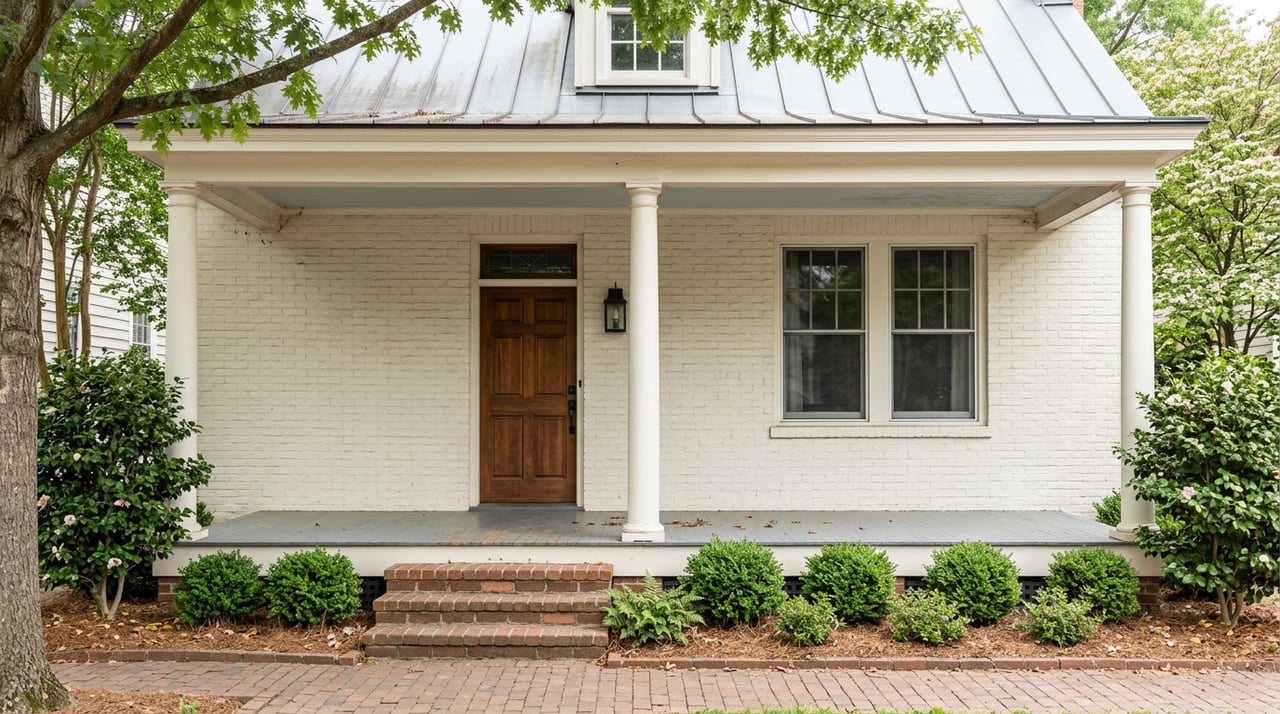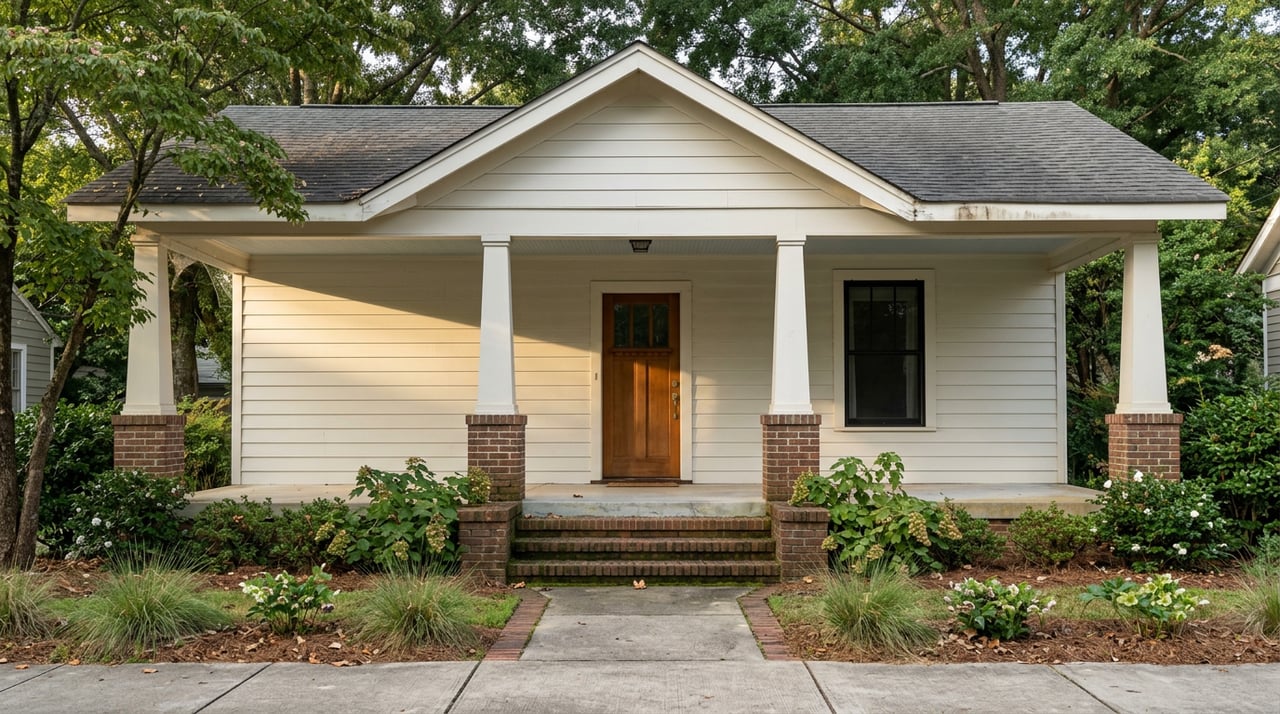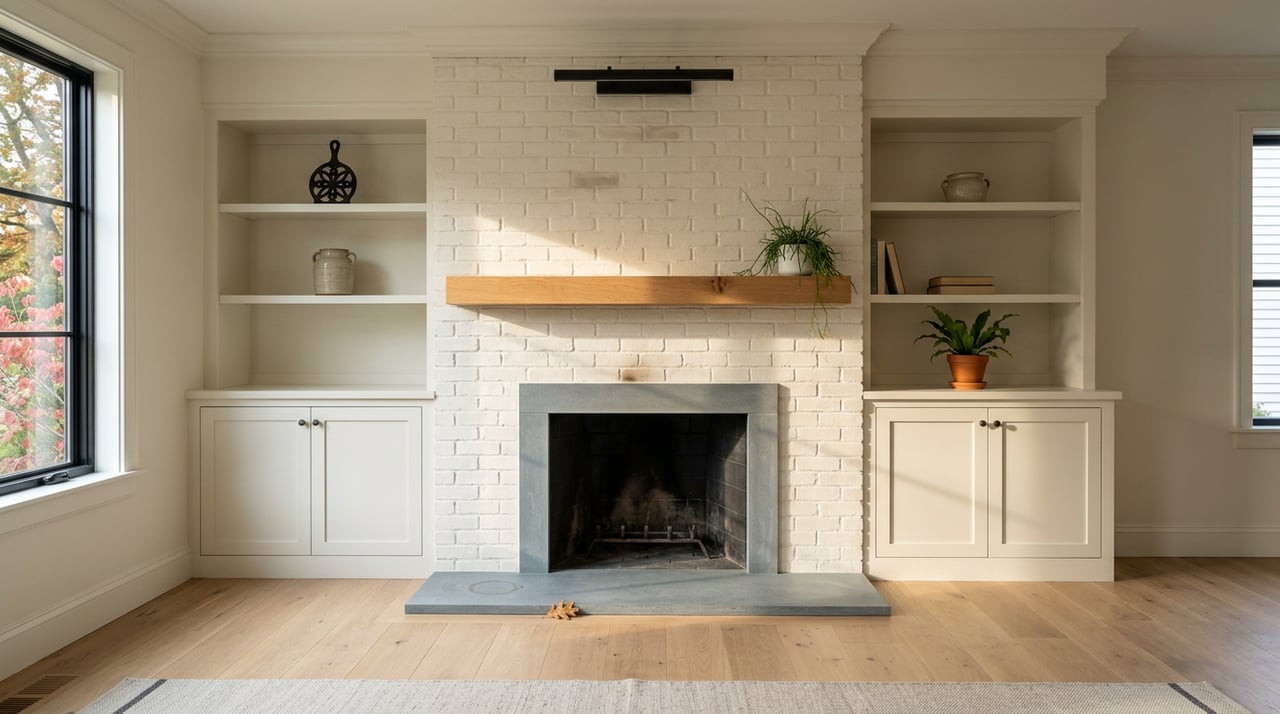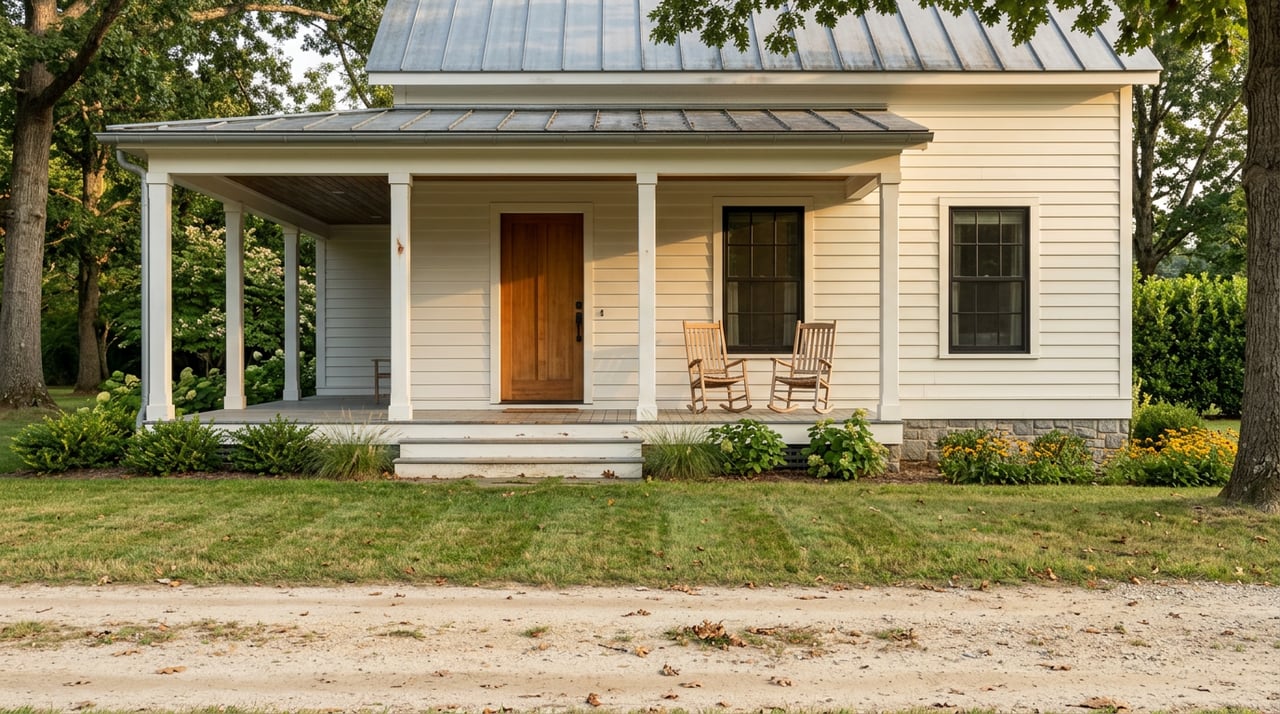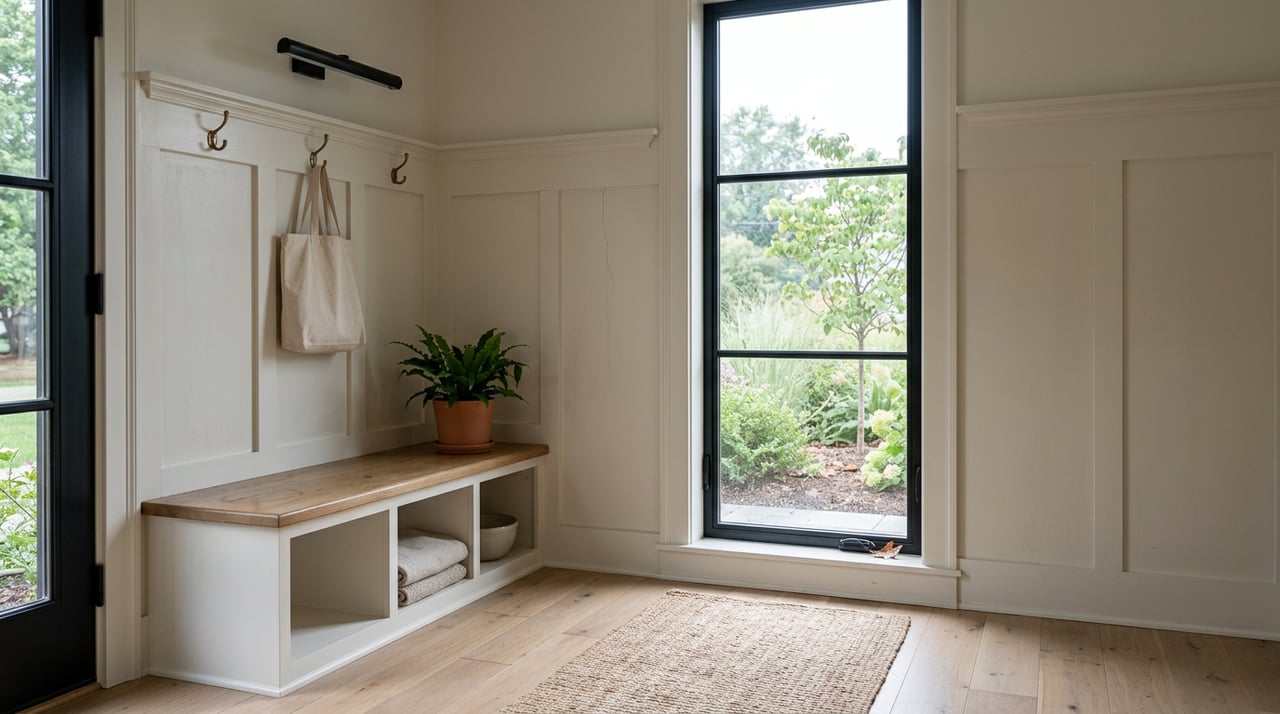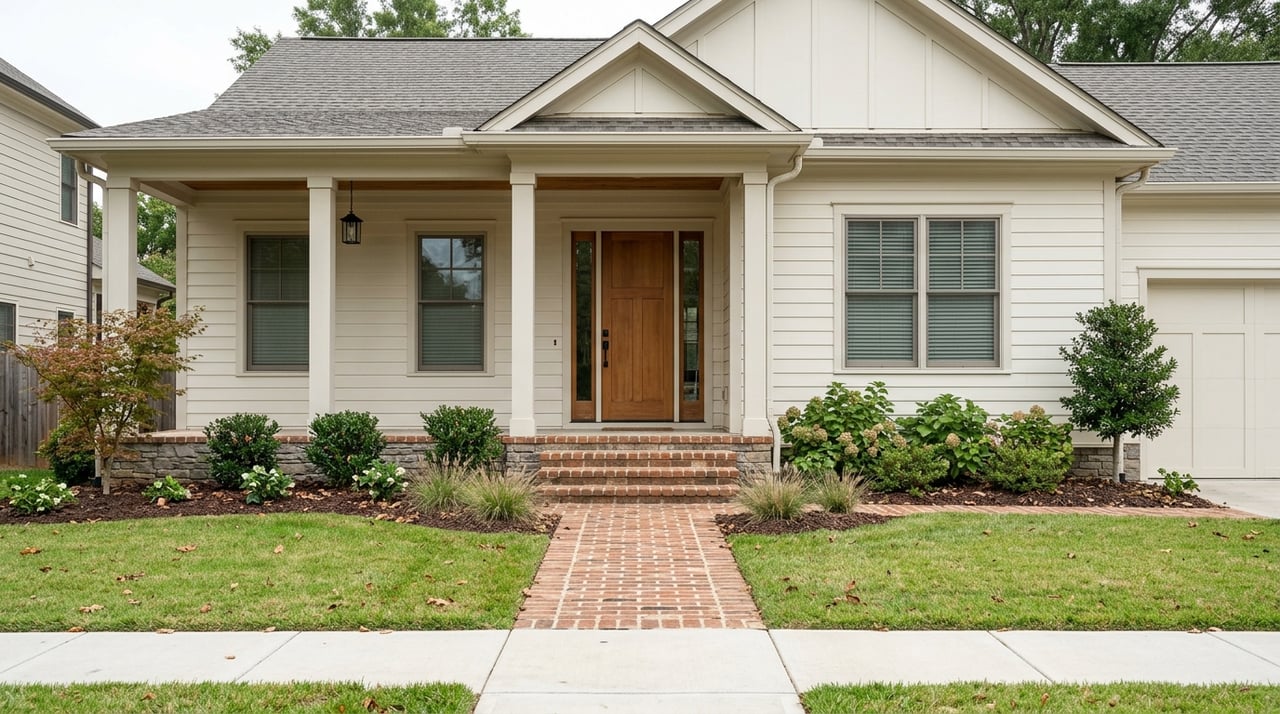
Thinking about renting out your Meadowmont home instead of selling it? That move can create long-term income, but it also comes with rules, costs, and process details that are easy to miss if you treat it like a simple listing. If you want to make a smart, low-stress transition from owner-occupied home to long-term rental in Chapel Hill, it helps to know what to check before you advertise, how North Carolina rules affect your lease, and where a professional system can protect you. Let’s dive in.
Why Meadowmont takes extra planning
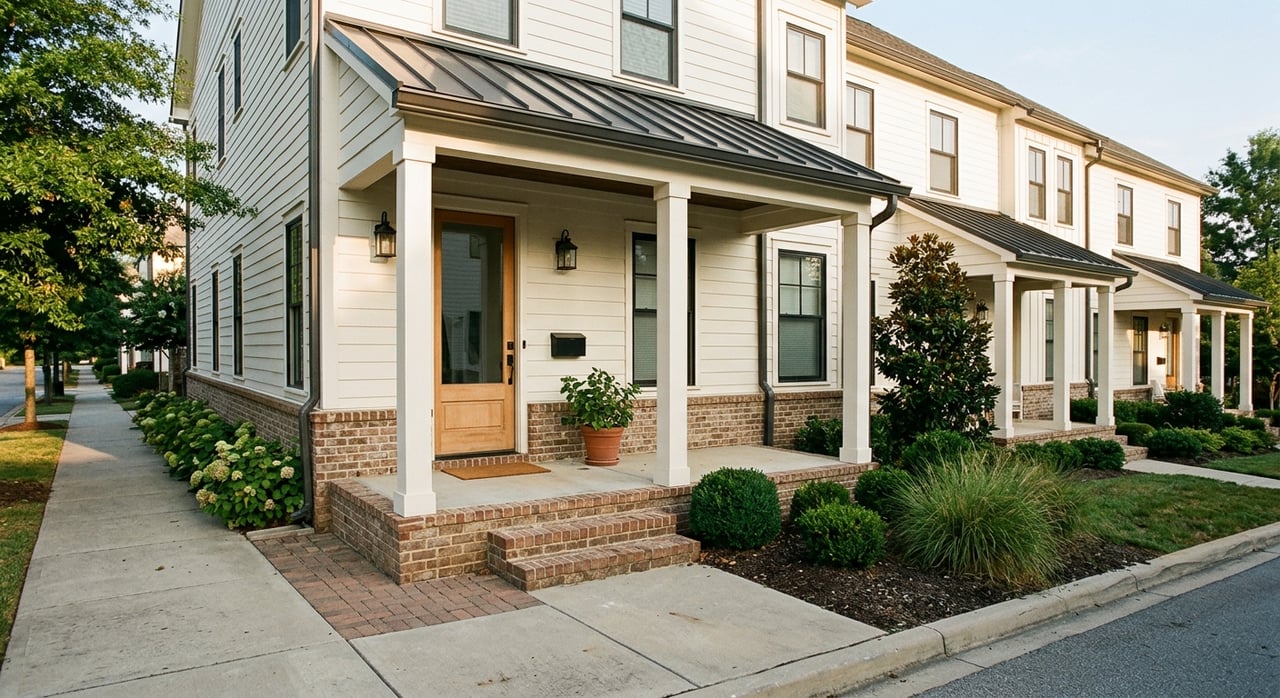
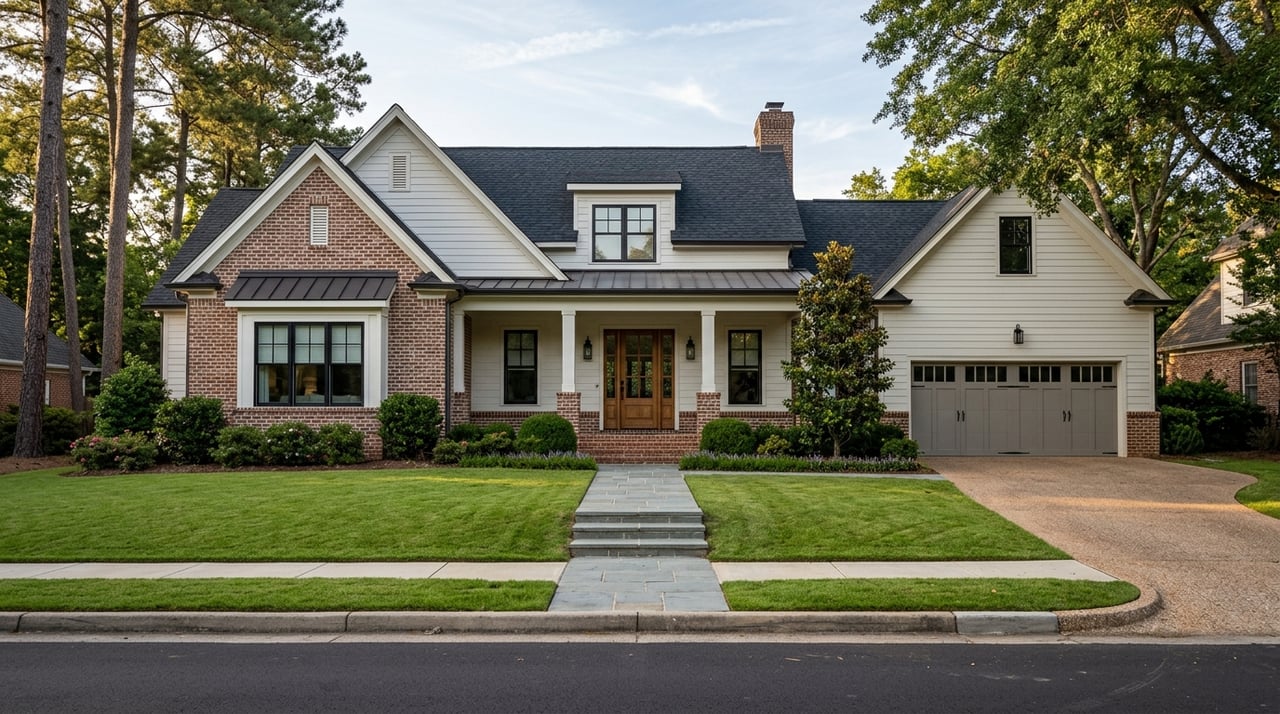
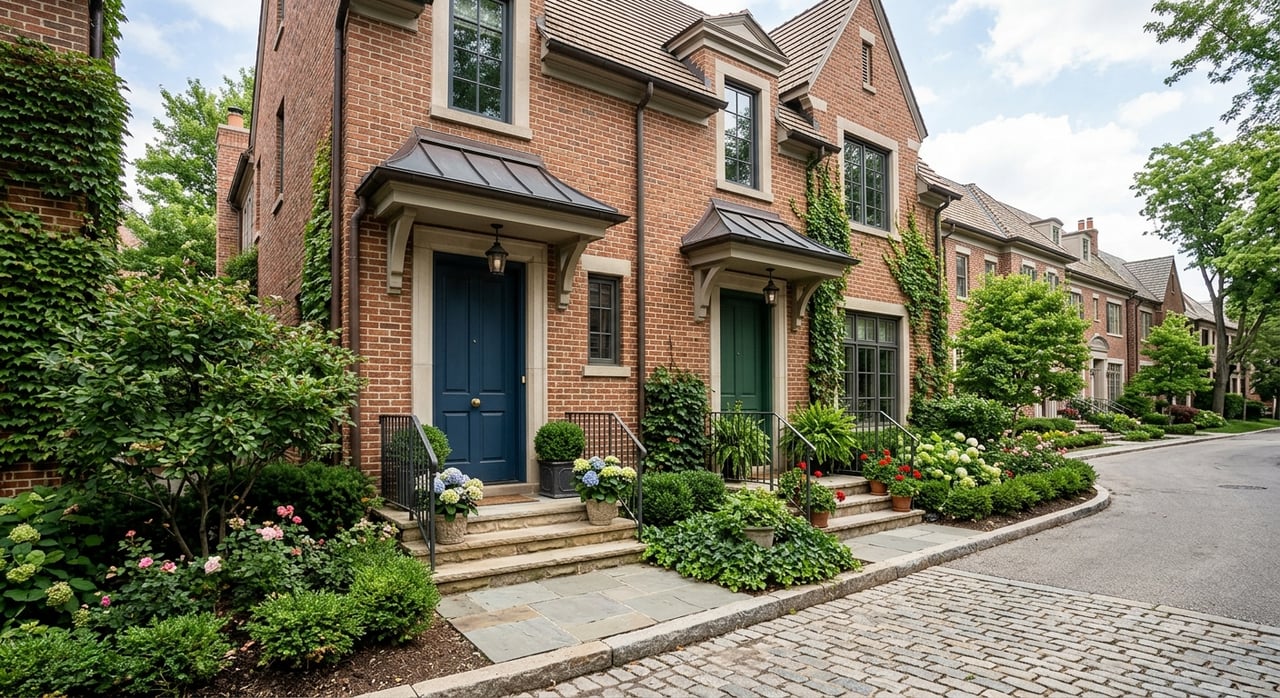
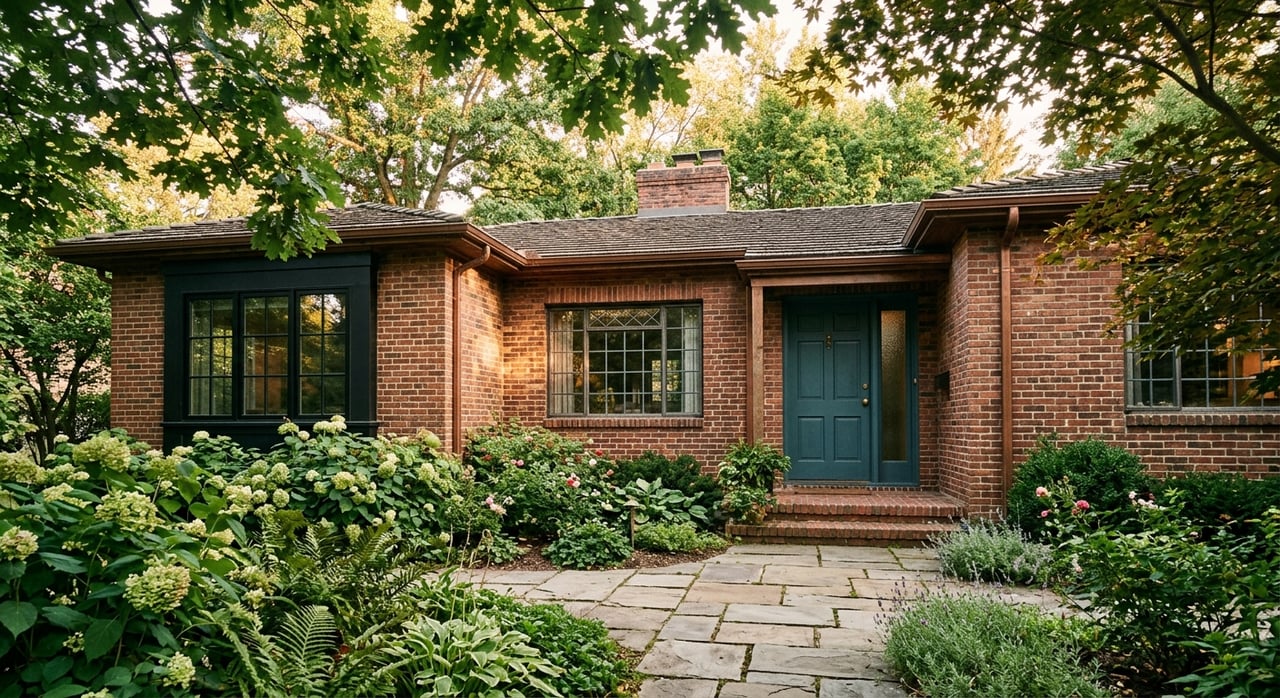
Meadowmont is not a one-size-fits-all neighborhood. The community includes row houses, traditional homes, cottage homes, condos, apartments, and a retirement community, along with village retail and shared green space.
That mix matters when you turn a home into a rental. Two homes in the same broader community may not follow the exact same governing documents, parking rules, leasing standards, or tenant registration requirements.
Before you do anything else, confirm which association documents apply to your specific property. The Meadowmont Community Association publishes governing documents online, and those documents are the first place to check for lease minimums, approval steps, sign restrictions, parking rules, and any tenant-related requirements.
Long-term rental vs. short-term rental
In Chapel Hill, a long-term lease is not treated the same way as a short-term rental. The town defines short-term rentals as rentals of less than 30 days.
That means if you are planning a standard lease for a tenant who will live in the home full time, you are in a different category than an Airbnb-style stay. Chapel Hill’s short-term rental rules and permit structure are mainly focused on stays under 30 days.
For most Meadowmont owners considering a traditional rental strategy, the practical point is simple: long-term leasing is its own lane, but you still need to confirm any HOA or sub-association restrictions before moving forward.
Start with the right property checks
Before you price the home or market it, work through the property-level details that affect leasing.
Review HOA and community documents
Your first step should be a document review. Meadowmont’s published materials make it clear that different homes may be subject to different restrictions and standards.
Look for rules related to:
- Minimum lease terms
- Tenant registration requirements
- Lease approval procedures
- Parking limits or permit rules
- Exterior signage restrictions
- Occupancy-related policies in the governing documents
This is one of the most important early steps because it shapes what kind of lease you can offer and what expectations you will need to set with a future tenant.
Check whether repairs need permits
If your home needs updates before leasing, do not assume every project is just routine prep work. Chapel Hill’s residential permit guidance says structural remodeling requires a building permit, and certain exterior projects like decks, patios, fences, driveways, and additions are reviewed for zoning compliance.
That means your make-ready plan should include both a budget review and a permit review. If you skip this step, a simple refresh can turn into a delay.
Update your insurance
One of the most common mistakes in a rental conversion is forgetting that owner-occupied insurance and landlord coverage are not the same thing. According to the NAIC, landlord insurance may cover the structure, certain owner belongings left for tenant use, lost rental income if the property becomes uninhabitable, and liability protection.
It also notes that a vacant or unoccupied home may not be fully protected under a standard homeowners policy. If you are moving out and turning the property into a rental, updating coverage before leasing is part of basic risk management.
Build the numbers before you list
A rental conversion only works if the numbers are realistic. Meadowmont has strong lifestyle appeal because of its walkable setting, village retail, greenways, parks, trails, the UNC Wellness Center, and access to major universities, RTP, and RDU.
That can support long-term rental demand, especially from relocating professionals, university and health-system staff, and households looking for convenience. But demand alone does not make a rental financially sound.
Compare rent to your true monthly costs
As you evaluate the switch, compare expected rent against the recurring costs you will still carry:
- Mortgage payment
- HOA dues
- Property taxes
- Insurance
- Routine maintenance
- Repair reserves
- Potential gaps in rent collection or vacancy
This is where many owners get more clarity. A home may be rentable, but that does not always mean it will perform well enough to fit your goals.
Keep a reserve cushion
Every rental property needs a cushion for the unexpected. The CFPB describes emergency savings as cash set aside for unplanned expenses or financial emergencies, and notes that some consumers aim for three to six months of expenses.
In a rental setting, that reserve concept can help you think through vacancy, repair timing, and turnover costs. If the dishwasher fails, the HVAC needs work, or a lease turn takes longer than expected, reserve planning matters.
Understand bookkeeping basics
For tax and bookkeeping purposes, rental real estate income and expenses are generally reported on Schedule E. IRS guidance also distinguishes common rental expenses like maintenance, insurance, taxes, interest, and repairs from improvements, which generally must be capitalized.
That distinction matters because preparing a home for rental often includes both categories. A repair and an upgrade may feel similar while work is happening, but they are not handled the same way in your records.
Choose a lease structure that supports stability
If your goal is steady income and fewer surprises, lease structure matters. In North Carolina, a month-to-month tenancy can be terminated with seven days’ notice, while a week-to-week tenancy requires two days’ notice.
That makes month-to-month less predictable for an owner trying to plan around mortgage payments, HOA dues, maintenance, and turnover timing. A fixed-term lease usually offers more stability, even though the best structure still depends on your goals and the property.
For many Meadowmont owners, predictability is part of the value of converting the home into a long-term rental. A fixed term often fits that objective better than a shorter, more flexible arrangement.
Follow North Carolina deposit rules carefully
Security deposits are one of the clearest compliance areas for North Carolina landlords. The Tenant Security Deposit Act caps deposits at:
- Two weeks’ rent for week-to-week tenancies
- One and one-half months’ rent for month-to-month tenancies
- Two months’ rent for lease terms longer than month-to-month
The law also requires the landlord to notify the tenant within 30 days after the lease begins of the bank or institution holding the deposit. After the tenancy ends and possession is delivered, the landlord must return an itemized accounting and any remaining balance within 30 days, subject to the rule allowing an interim and later final accounting if the full claim is not yet known.
Just as important, North Carolina law says you cannot withhold deposit funds for normal wear and tear. If deductions are needed, they must reflect actual damages.
Why documentation matters
Good records make deposit compliance much easier. Photo-documented move-in and move-out inspections, condition checklists, and clear repair records can help support accurate accounting.
This is one area where a process-driven management system helps. It creates a cleaner record if questions come up later.
Use objective screening criteria
Any leasing process needs to follow Fair Housing rules. HUD states that the Fair Housing Act prohibits discrimination in the rental of housing because of race, color, national origin, religion, sex, familial status, or disability.
The practical takeaway is that your screening criteria should be written, objective, and applied consistently. Clear standards reduce guesswork and help keep the process professional.
Agile Property Management’s brand approach is built around that kind of structure, with application-based approvals, published underwriting expectations, documented inspections, and clear tenant responsibilities. For an owner converting a Meadowmont home into a rental, that kind of repeatable system can reduce both risk and stress.
Plan for maintenance and legal process
Owning a rental means more than collecting rent. You also need a plan for repairs, communication, lease enforcement, and legal process if a tenancy goes sideways.
North Carolina law does not allow self-help eviction. If a tenant has to be removed, the landlord must go through summary ejectment in court.
That is another reason a well-run lease, written standards, and documented communication matter from day one. The smoother your systems are on the front end, the better positioned you are if problems arise later.
A practical Meadowmont rental conversion checklist
If you want a simple way to think through the transition, use this sequence:
- Confirm which Meadowmont and sub-association documents apply to your home.
- Check for lease minimums, tenant registration rules, parking policies, and approval requirements.
- Review any planned repair or refresh work for Chapel Hill permit needs.
- Update insurance from owner-occupied coverage to landlord coverage if needed.
- Underwrite the property using expected rent and full recurring costs.
- Set reserve funds for repairs, turnover, or temporary income interruption.
- Choose a lease structure that supports stable income.
- Use objective, consistent screening criteria.
- Collect and hold security deposits within North Carolina limits.
- Complete photo-documented move-in and move-out inspections.
- Decide whether you want to self-manage or hand off leasing and operations.
When professional management makes sense
Some owners want to stay hands-on. Others would rather avoid the daily operational load once the home is rented.
Professional management can be especially helpful if you are relocating, juggling a demanding job, or simply want a more disciplined leasing process. That includes marketing, screening, lease documentation, rent collection, maintenance coordination, inspections, and compliance-focused recordkeeping.
For a Meadowmont home, that process mindset matters because the neighborhood itself has more moving parts than a typical single-rule subdivision. A clear operating system helps you protect the property, set expectations early, and make the rental feel like a managed investment instead of a side project.
If you are weighing whether to keep your Meadowmont home as a rental, or want help building the right leasing plan from the start, Chris & Kevin Knapp - Main Site can help you think through the numbers, the process, and the day-to-day realities of long-term ownership in Chapel Hill.
FAQs
What should you check before renting out a Meadowmont home?
- You should confirm which Meadowmont governing documents apply to your property and review any lease minimums, approval requirements, tenant registration rules, parking restrictions, and sign policies before advertising the home.
How does Chapel Hill define a short-term rental versus a long-term rental?
- Chapel Hill defines a short-term rental as a rental of less than 30 days, so a standard long-term lease falls into a different category than an Airbnb-style stay.
How much security deposit can a North Carolina landlord collect for a long-term lease?
- For lease terms longer than month-to-month, North Carolina caps the security deposit at two months’ rent.
What are the North Carolina rules for returning a tenant security deposit?
- A landlord must provide an itemized accounting and return any remaining deposit balance within 30 days after the tenancy ends and possession is delivered, subject to the rule allowing an interim and final accounting if the full claim is not yet known.
Can a North Carolina landlord deduct normal wear and tear from a security deposit?
- No, North Carolina law says a landlord may not withhold deposit funds for normal wear and tear.
Is month-to-month leasing a good fit for a Meadowmont rental conversion?
- It may be less attractive if you want income stability, because North Carolina allows a month-to-month tenancy to be ended with seven days’ notice.
What insurance changes should you make when converting a Chapel Hill home into a rental?
- You should review whether your current homeowners policy needs to be replaced or updated with landlord coverage before leasing the property.
When do Chapel Hill home updates need permits before renting?
- Structural remodeling requires a building permit, and certain exterior projects such as decks, patios, fences, driveways, additions, and similar work are reviewed for zoning compliance by Chapel Hill.
Why use written screening criteria for a Meadowmont rental?
- Written, objective screening criteria help you run a more consistent leasing process and support Fair Housing compliance.
When should you consider property management for a Meadowmont long-term rental?
- Property management may be worth considering if you want help with leasing, inspections, maintenance coordination, rent collection, and compliance-focused operations after converting the home to a rental.