If you own a home in Briar Chapel and are thinking about moving up somewhere else in the Triangle, you are balancing two big goals at once: selling well and buying smart. That can feel like a lot, especially when timing, equity, HOA details, and contract deadlines all need to line up. The good news is that with a clear plan, you can reduce stress, protect your options, and make stronger decisions from the start. Let’s dive in.
Why Briar Chapel sells a lifestyle
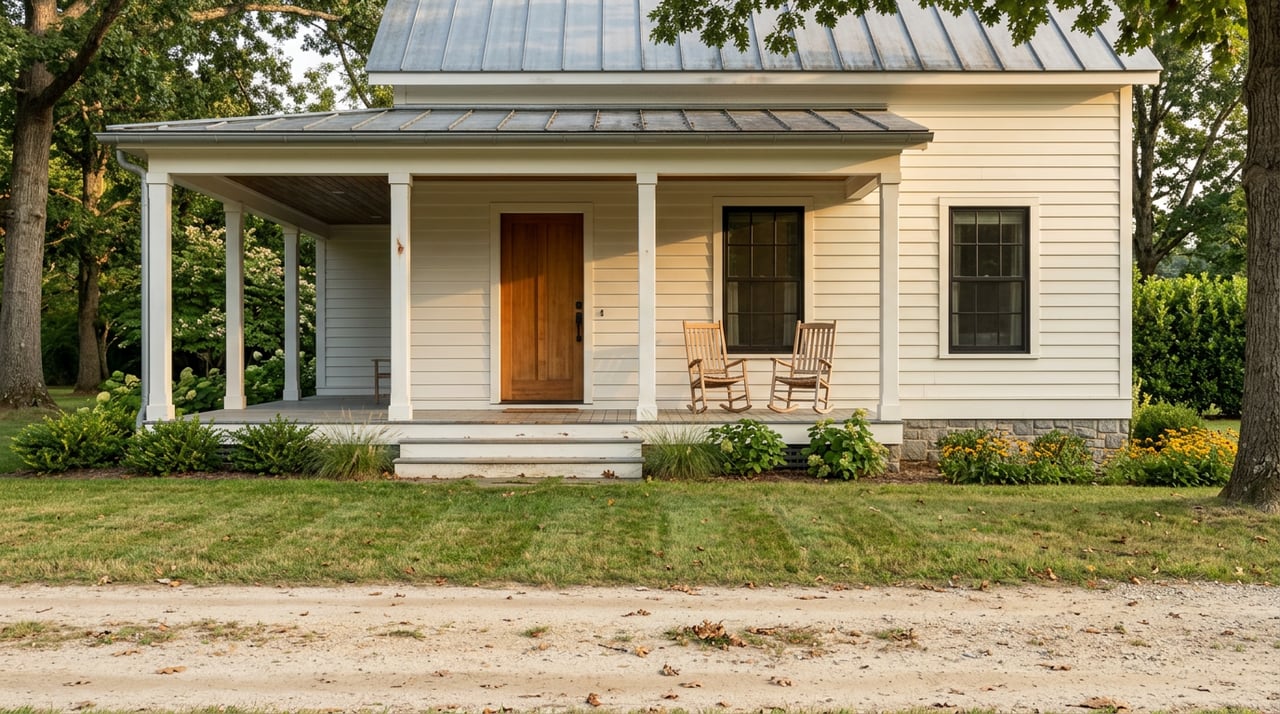
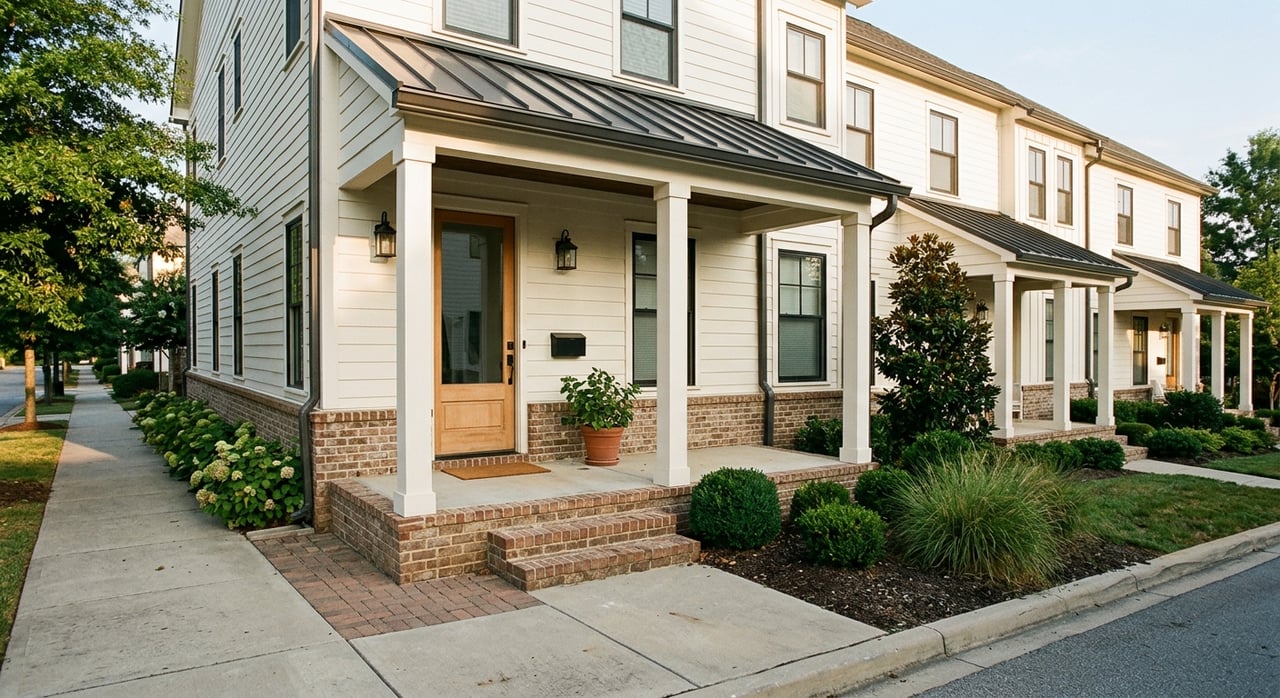
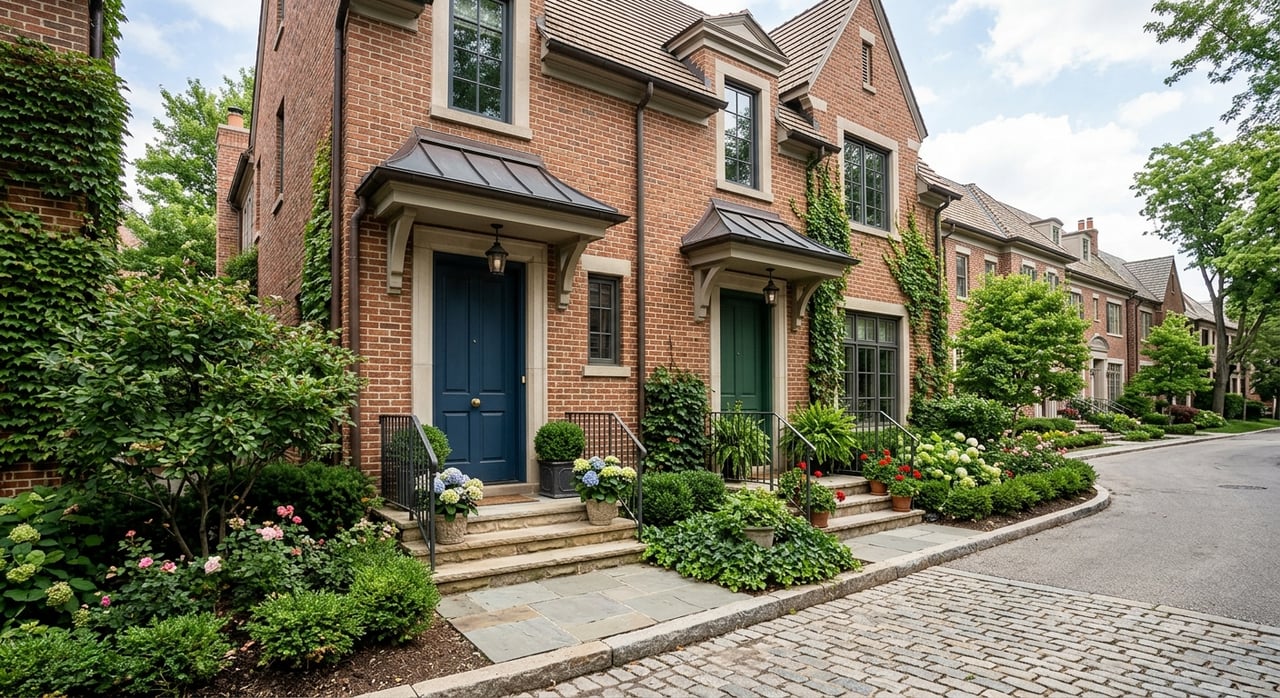
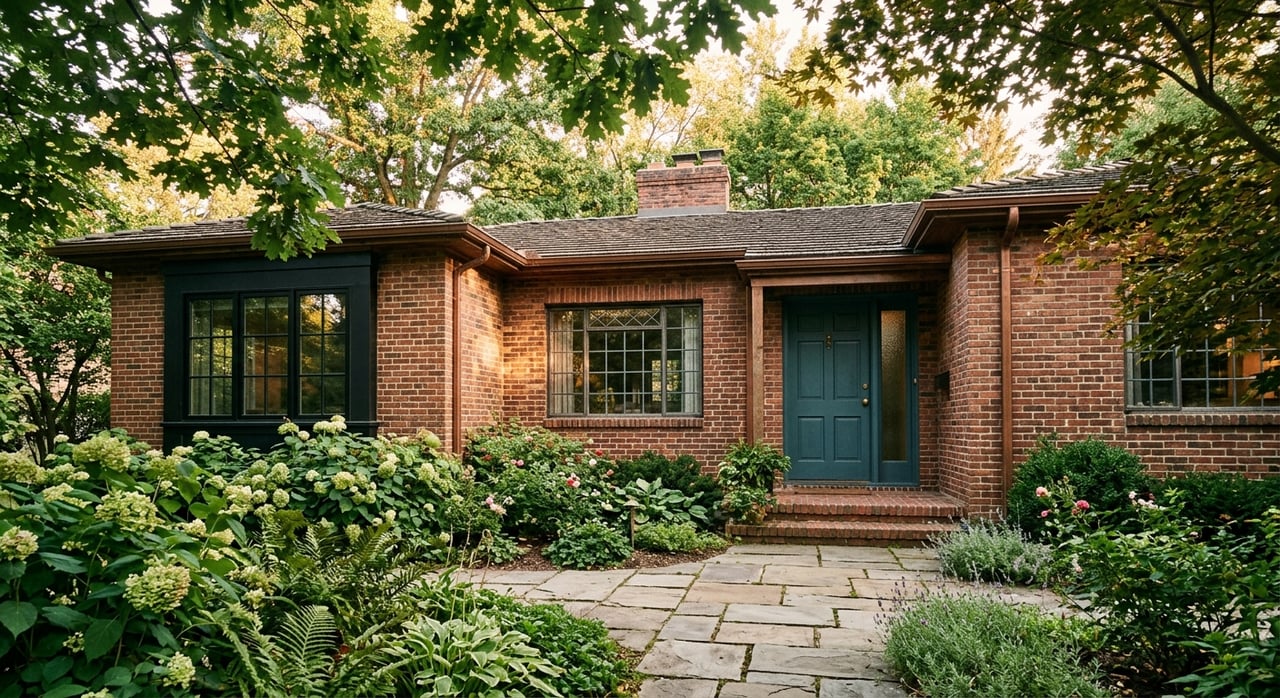
In Briar Chapel, buyers are looking at more than square footage and finishes. They are also evaluating the community itself, including its parks, trail system, pool and water park, clubhouse, fitness center, open space, and on-site businesses and stores.
That broader story matters because Briar Chapel is positioned just south of downtown Chapel Hill on 15-501, with access to Chapel Hill, Durham, Raleigh, and Research Triangle Park. For many buyers, that mix of amenities and location is part of the reason the community stands out.
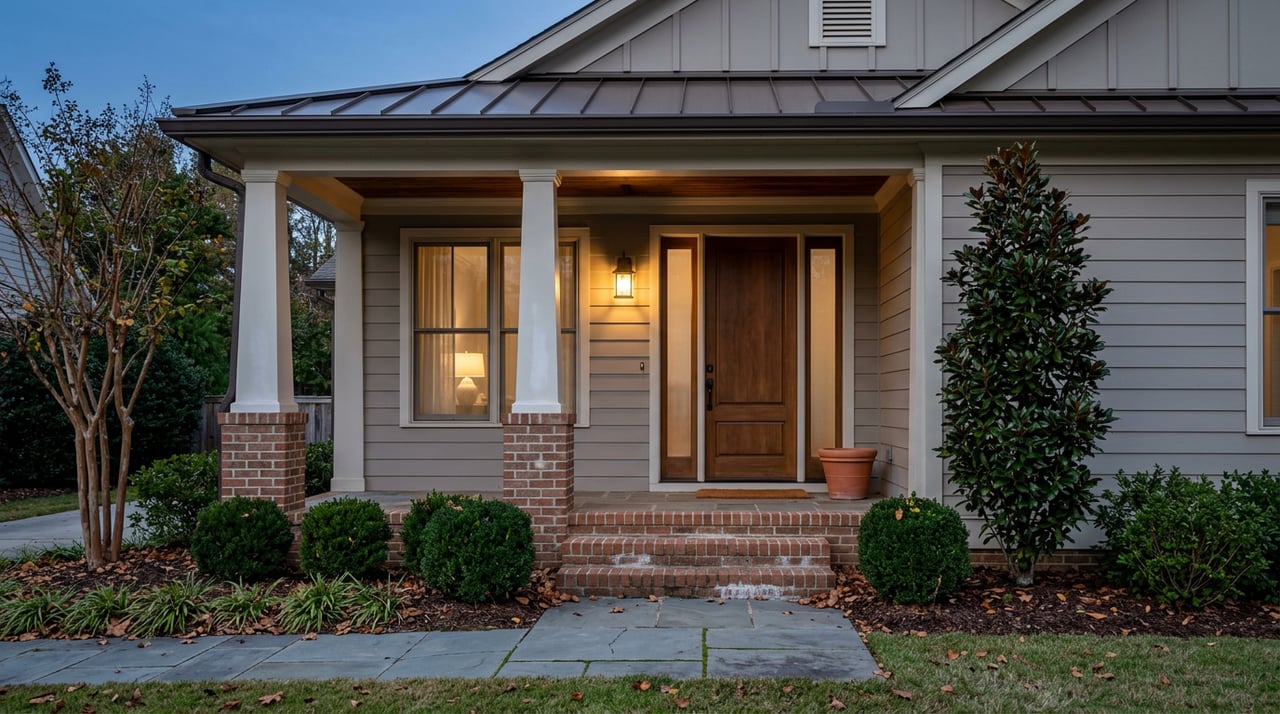
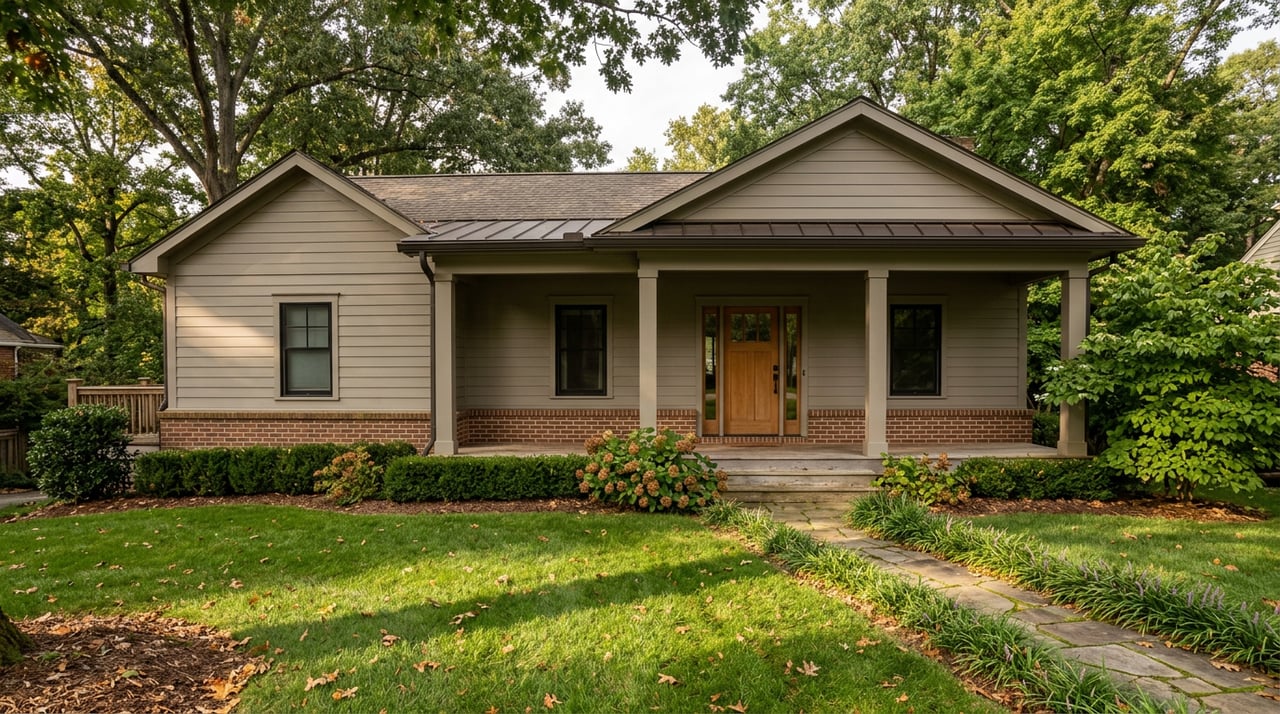
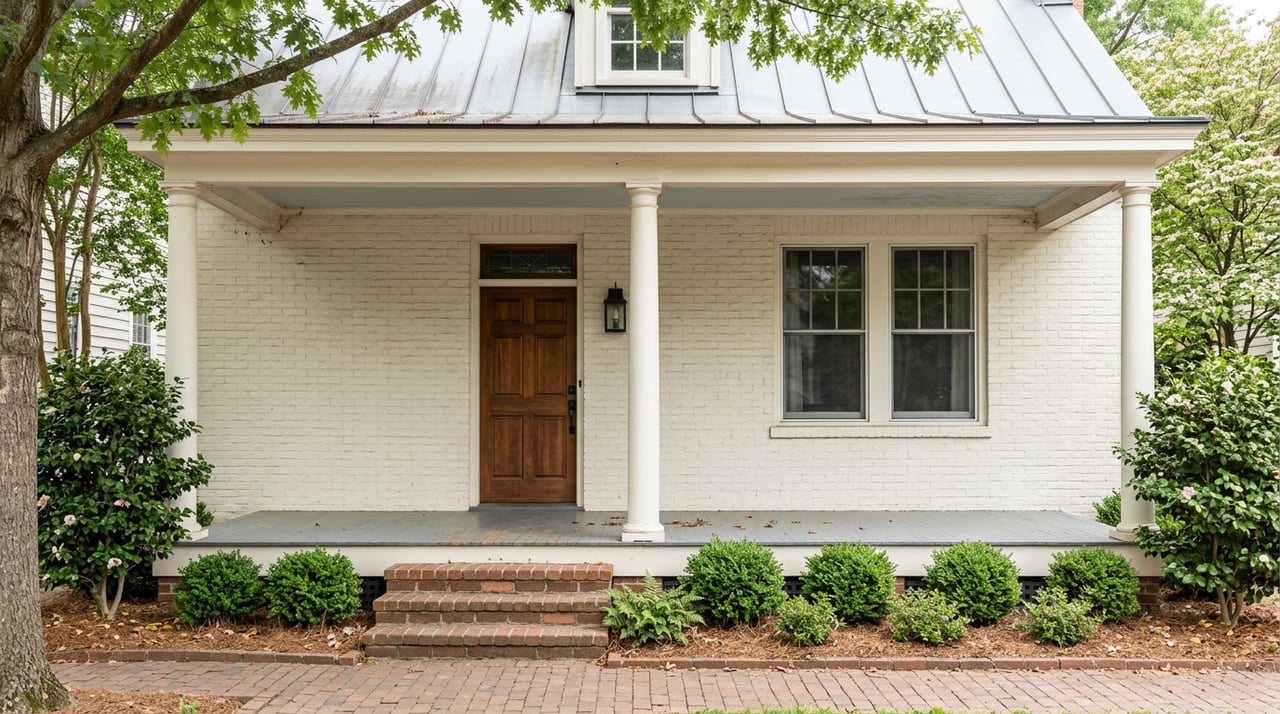
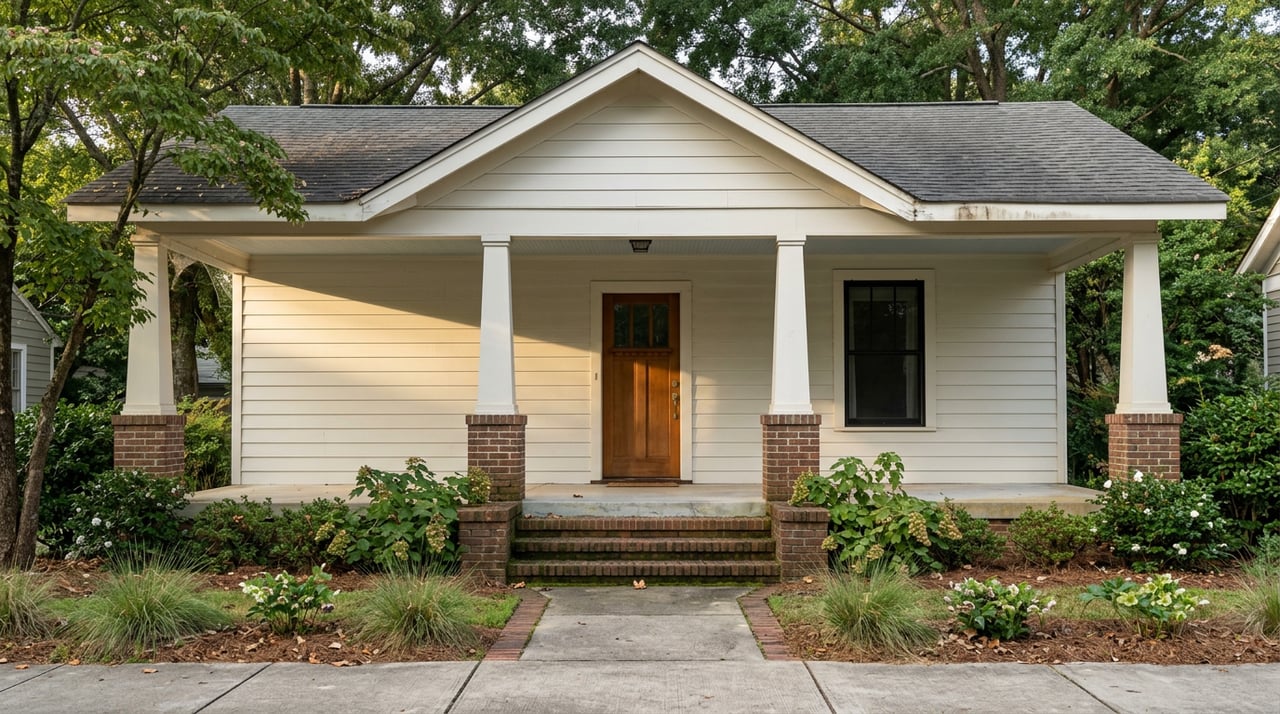
When you prepare to sell, your marketing needs to reflect both the home and the setting. Clean photos, accurate amenity descriptions, and complete HOA information help buyers understand what they are comparing and why your home may fit their next move.
Prepare the HOA side early
One of the easiest ways to slow down a sale is to wait too long on HOA details. In Briar Chapel, that information is especially important because monthly dues can vary by section.
The Briar Chapel 2026 HOA dues page lists a $192 per month master assessment, with separate dues for some subareas and townhome sections. Before listing, you should verify the exact dues for your specific property and gather any related community documents you know buyers are likely to request.
What to gather before listing
Start with the basics and organize them before your home hits the market. That makes it easier to answer buyer questions quickly and present the property as well managed.
- Current HOA dues for your address
- Any information about special assessments
- Governing documents and community rules
- Records showing visible exterior changes were approved, if required
- Details on any subassociation or townhome-specific dues
North Carolina guidance also notes that special assessments are part of the closing discussion, so it is smart to ask about them early rather than let them become a late-stage surprise.
Fix visible issues buyers notice first
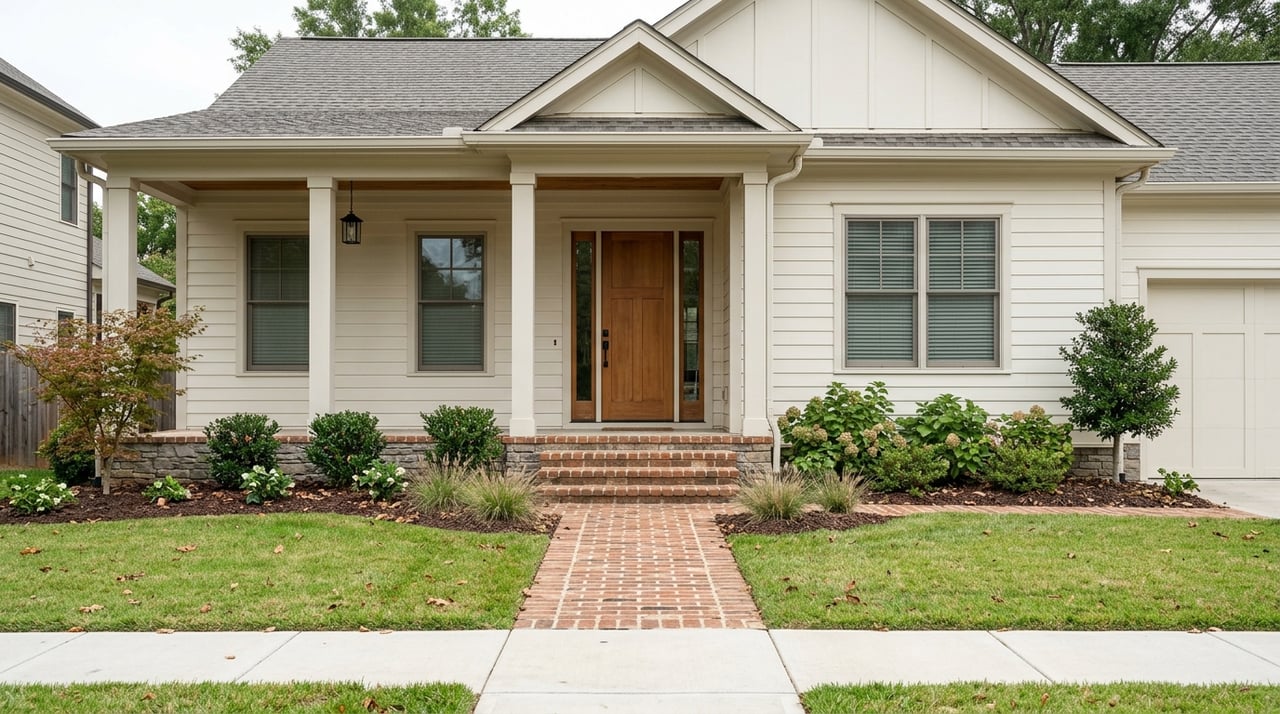
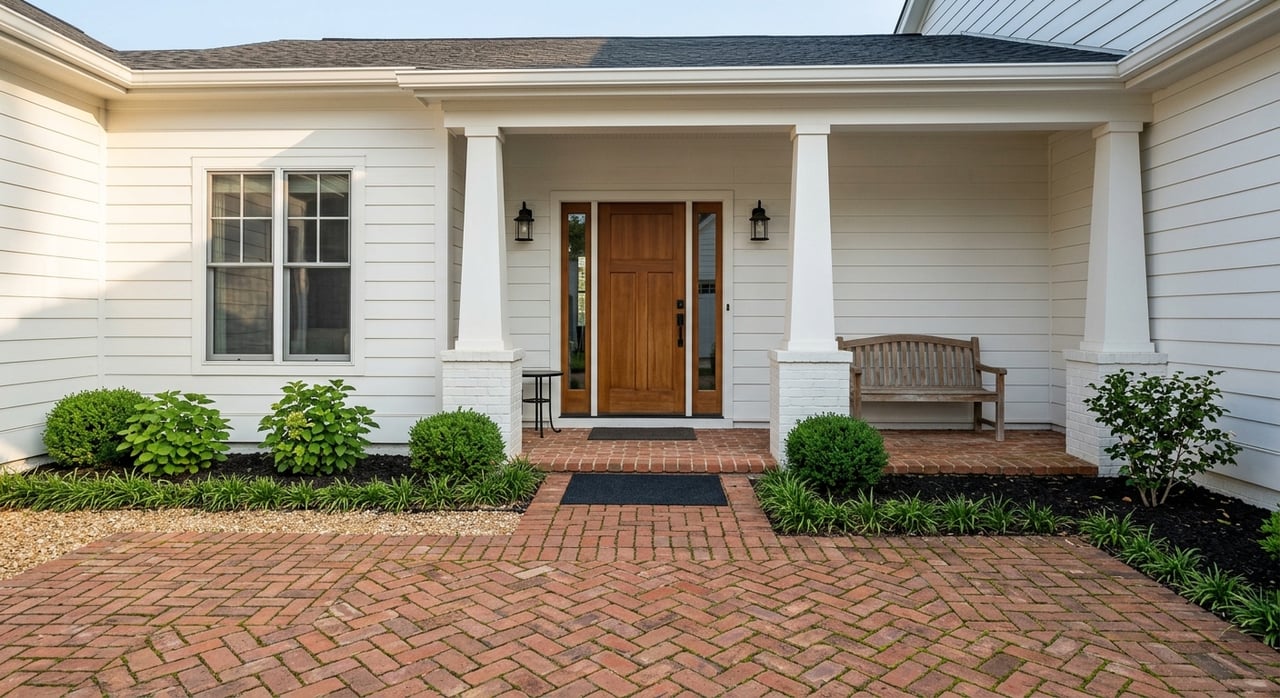
In a neighborhood with active exterior standards, curb appeal is not just cosmetic. It can affect how buyers view overall maintenance and whether they feel comfortable moving forward.
Briar Chapel’s covenants materials specifically address landscaping, trash and recycling container storage, fences, flags, seasonal decor, and restricted parking for commercial vehicles and other large vehicles. Those are practical items buyers may notice right away when they arrive for a showing.
Common pre-listing checkpoints
Before photos or showings, walk the property with a fresh set of eyes. Focus on the details that make the home feel clean, cared for, and compliant.
- Store trash and recycling containers properly
- Tidy landscaping and refresh overgrown beds
- Check fence condition and appearance
- Remove seasonal clutter that can distract buyers
- Review parking setup for any restricted vehicle issues
These steps are simple, but they support your marketability. In an HOA community, buyers often review documents and financials before moving ahead, so visible condition and community compliance often go hand in hand.
Confirm approvals before making updates
If you are thinking about small improvements before listing, do not assume you can just start. Briar Chapel states that Design Review Committee approval is required before permitting or construction begins for a range of exterior items.
That includes things like exterior paint, fences, landscaping, hardscaping, trash enclosure or screening, solar panels, and tree removal. If you want to improve marketability with exterior work, make sure the work is either already approved or fully compliant before the home goes live.
Updates worth double-checking
Some projects are easy to forget because they were done years ago or seem minor now. If buyers can see it from the street or in listing photos, it is worth confirming.
- Exterior paint changes
- New or altered fencing
- Added landscaping features
- Patio, hardscape, or screening work
- Solar panels
- Tree removal or major yard changes
This kind of prep fits a disciplined selling strategy. It helps you avoid last-minute questions and keeps the transaction moving.
Build your move-up plan around North Carolina timing
Selling your current home is only half the equation. If you are moving up within the Triangle, you also need a realistic plan for the purchase side.
In North Carolina, residential transactions commonly use the standard Offer to Purchase and Contract, and the due diligence period is negotiable. During due diligence, the buyer can investigate condition, financing, appraisal, and insurance, and may terminate for any reason or no reason.
North Carolina guidance also says the due diligence fee, if used, is paid directly to the seller, is generally non-refundable, and is credited at closing if the sale completes. Because timing matters so much, buyers are advised to speak with a lender before signing so the due diligence period allows enough time for appraisal and loan processing.
Why timing buffers matter
If you are buying your next home while selling your current one, every date matters. Your lender, your attorney, and your agents all need enough runway to keep both sides coordinated.
The North Carolina buyer advisory also notes that if you need to sell or close on your current home before closing on the next one, that is a material fact that should be disclosed to the other side through the buyer’s agent. It also warns that settlement and closing delays can happen, and the standard contract allows up to 14 days after the settlement date for the delaying party to complete the process.
That means your move-up strategy should include more than your ideal closing date. It should also include a backup plan if one side slips.
Choose the right move-up strategy
There is no single best path for every Briar Chapel seller. The right strategy depends on your equity, financing, risk tolerance, and how hard your next home will be to replace.
Sell first for more certainty
Selling first is often the lower-risk option. It can make sense if you need equity from your current home to qualify for the next purchase or if you want to avoid carrying two mortgages.
In that setup, a longer settlement timeline or contract terms that help bridge the transition may make the move smoother. If certainty matters more than speed, this path is often easier to control.
Buy first when the next home matters most
Buying first can work when the replacement home is difficult to find or your timeline is fixed. That could be the case if your move is tied to work, family logistics, or a very specific type of home in a tight market.
This approach can involve a home-sale contingency or home-close contingency, but sellers may continue showing their property and may include a kick-out clause if another acceptable offer appears. In plain terms, buying first can give you a shot at the right next home, but it usually comes with more moving parts.
Use flexibility tools when dates do not align
Sometimes the issue is not whether to sell first or buy first. It is simply that the dates do not line up neatly.
Tools like a bridge loan, a rent-back agreement, or early move-in terms may help if both parties agree. Bridge loans can unlock equity before your current home sells, and Fannie Mae says they may be acceptable funds when the lender documents your ability to carry the related obligations.
Because these options affect risk, cash flow, and negotiation leverage, they work best when your agent, lender, closing attorney, and HOA contacts are all in sync.
Keep the right people aligned
A move-up sale is really a coordination project. Even when each step looks manageable on its own, delays often happen when communication breaks down between the people involved.
For Briar Chapel sellers moving within the Triangle, the key players usually include your listing agent, buyer’s agent, lender, closing attorney, and HOA staff. Each one touches a different part of the timeline, from due diligence and financing to title work, HOA review, and closing.
Your practical coordination checklist
A calm move usually starts with clear expectations. Early communication can prevent rushed decisions later.
- Confirm your estimated sale proceeds before shopping seriously
- Talk with your lender before writing on the next home
- Build a realistic due diligence window into your purchase plan
- Gather HOA documents before listing
- Leave room for possible closing delays
- Discuss backup housing or possession options if needed
This kind of planning is especially useful if you are trying to stay within the Triangle and want your next move to feel intentional rather than reactive.
A smart Briar Chapel selling plan
If you want the simplest version of the game plan, start here: prepare the HOA file, clean up visible exterior issues, confirm any required approvals, talk with your lender early, and choose a timing strategy that matches your risk tolerance.
Briar Chapel gives sellers a strong community story to work with, but that story lands best when the details are accurate and the process is organized. When your sale and purchase are planned together, you are in a much better position to move up within Chapel Hill, Durham, Pittsboro, or the broader Triangle with less stress and fewer surprises.
If you are weighing when to list, how to structure the next purchase, or how to prepare your Briar Chapel home for market, Chris & Kevin Knapp - Main Site can help you build a clear, step-by-step plan.
FAQs
What HOA documents should you gather before listing a home in Briar Chapel?
- You should gather the current HOA dues for your address, any special assessment information, the governing documents, and proof that visible exterior changes were approved if required.
What exterior issues matter most when selling a Briar Chapel home?
- Buyers are likely to notice landscaping, trash-bin storage, fence condition, seasonal clutter, and vehicle parking because these items are specifically addressed in Briar Chapel’s covenants materials.
What does due diligence mean in a North Carolina move-up purchase?
- In a North Carolina purchase, the due diligence period is negotiable and gives the buyer time to investigate the property, financing, appraisal, and insurance, with the ability to terminate during that period.
What is the lower-risk strategy when moving up within the Triangle?
- Selling first is often the lower-risk path if you need your equity for the next purchase or want to avoid carrying two mortgages at the same time.
What can help if your sale and purchase dates do not line up?
- Depending on the situation and agreement terms, tools like a bridge loan, rent-back arrangement, early move-in terms, or contingency language may help create flexibility between homes.
Who should stay coordinated during a Briar Chapel move-up transaction?
- Your listing agent, buyer’s agent, lender, closing attorney, and HOA staff should stay aligned because timing, financing, title work, HOA review, and closing all affect the process.