Thinking about selling in Croasdaile Farm? In a neighborhood where buyers may compare your home against other properties near the $1 million mark, the difference between a smooth sale and a stressful one often comes down to preparation. If you understand the local market, organize your paperwork early, and launch with a clear plan, you can reduce surprises and put your home in a stronger position from day one. Let’s dive in.
Why Croasdaile Farm Requires a Different Strategy
Croasdaile Farm is not just another Durham listing. Current market data places this area in a much higher price band than Durham overall, with Zillow estimating Croasdaile’s average home value at $886,167, compared with Durham’s average of $399,509.
That pricing gap matters when you decide how to prepare, price, and market your home. Buyers in this segment are often looking closely at condition, presentation, maintenance history, and how your property compares with other premium homes in the immediate area.
Realtor.com also reported a median home sale price of $1,012,000 in Croasdaile, with 21 homes for sale and a 100% sale-to-list ratio in October 2025. That supports a neighborhood-specific approach instead of relying on Durham-wide averages that may not reflect Croasdaile Farm’s market reality.
Start With the Right Pre-Listing Timeline
A strong sale usually begins well before your home hits the market. In Croasdaile Farm, where buyers may expect polished presentation and documented upkeep, a phased timeline can help you make better decisions and avoid rushed work.
12 to 6 Months Before Listing
This is the time to assess your home honestly. Walk through the property with a critical eye and identify deferred maintenance, aging systems, and any issues that could raise questions later.
It is also smart to gather records early. That includes HOA information, warranties, permits, appliance details, and contractor invoices, especially if you have completed updates or repairs over the years.
If your home needs larger projects, this window gives you time to plan them properly. Exterior paint, landscaping cleanup, roof tune-ups, and drainage corrections are easier to manage when you are not racing against a listing date.
3 to 6 Months Before Listing
This is usually the best time to complete repairs and cosmetic updates. Focus on improvements that help the home feel well cared for and market-ready rather than chasing every possible project.
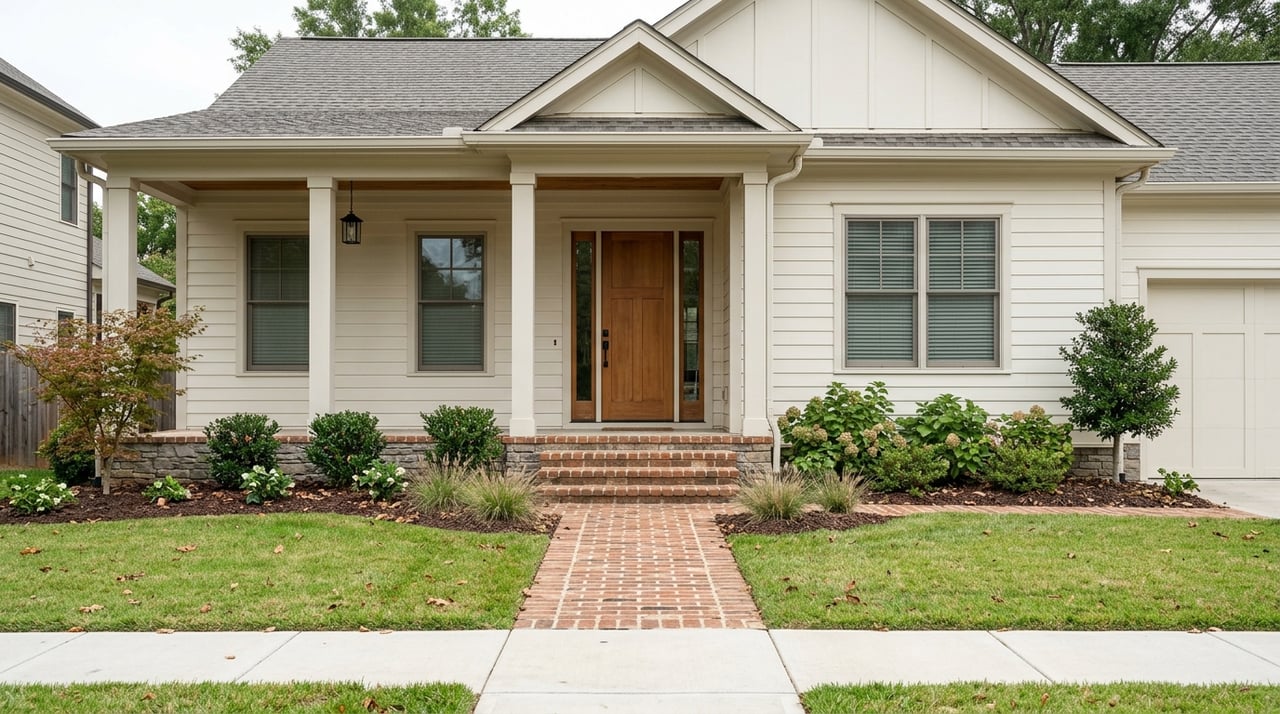
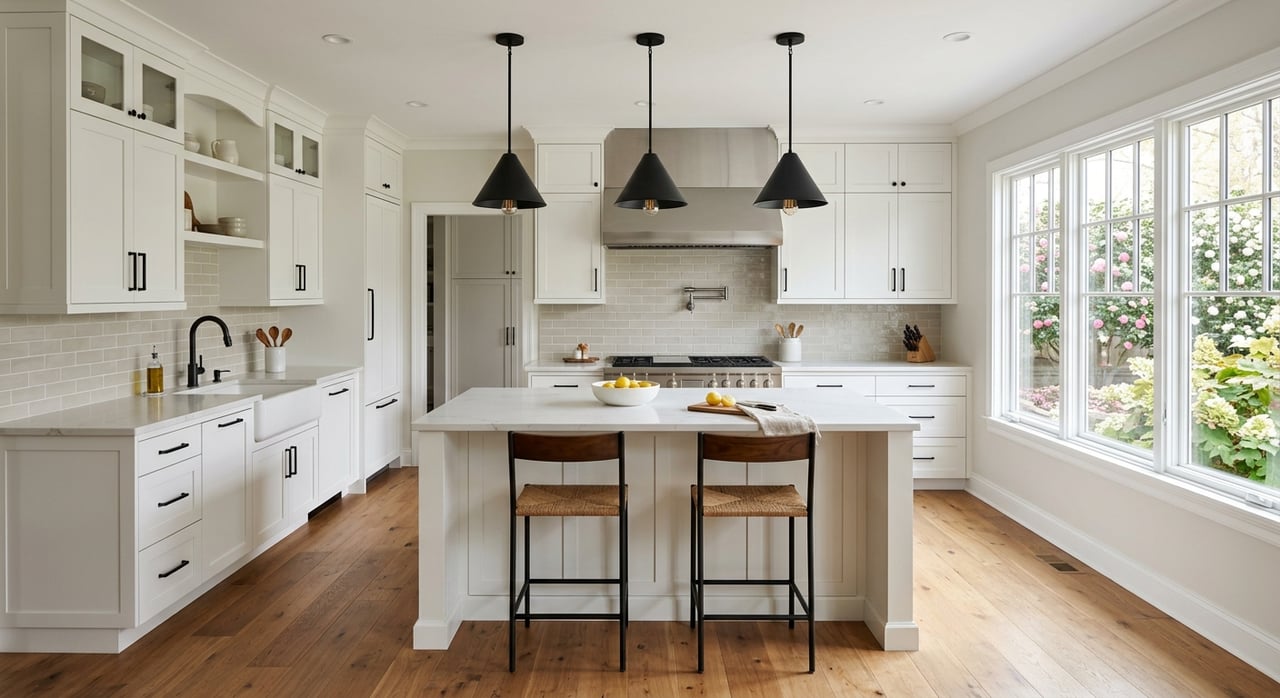
In a premium neighborhood like Croasdaile, buyers may notice finish quality quickly. Fresh paint, updated lighting, flooring touch-ups, and a clean, consistent look can help your home support the price you want buyers to consider.
Photos should come after the work is done. Your listing images need to match the in-person experience, not promise a version of the home that is still unfinished.
30 to 60 Days Before Listing
As launch approaches, shift from projects to presentation and pricing. Finalize staging, yard work, and any last details that improve first impressions.
This is also when pricing strategy becomes critical. In Croasdaile Farm, neighborhood-level comparable sales matter far more than Durham-wide averages because the local price band is so distinct.
Launch Week
Before showings and offers begin, your disclosure packet should be ready. In North Carolina, sellers of most residential one- to four-unit properties must provide the Residential Property and Owners’ Association Disclosure Statement and the Mineral and Oil and Gas Rights Mandatory Disclosure Statement before an offer is made.
Late paperwork can create unnecessary legal and negotiation risk. A clean launch means your documents, presentation, and pricing should all be aligned from the start.
Handle Disclosures Early
North Carolina disclosure rules are not something to leave until the last minute. The Residential Property and Owners’ Association Disclosure Statement, often called the RPOADS, asks for details about the property and, when applicable, owners’ association information such as dues, assessments, contact information, transfer fees, and services covered by regular dues.
Because Croasdaile Farm Master HOA is listed by the City of Durham, sellers should expect HOA-related paperwork and transfer logistics to be part of the process. That makes early document gathering especially important.
The North Carolina Real Estate Commission’s 2024 revision to the RPOADS also emphasizes disclosure of known latent defects that are not reasonably discoverable by a buyer. In practical terms, if you know about a hidden problem, it needs to be addressed and disclosed appropriately.
Common examples can include:
- Water intrusion
- Roof issues
- HVAC age or performance concerns
- Drainage problems
- Unpermitted work
Early problem-solving gives you more control. You can decide what to repair before listing, what to document clearly, and what may need to be addressed in negotiation later.
Fix What Matters Most
North Carolina law does not require you to make repairs before selling. Still, buyers can ask for repairs, and once both sides sign a written repair agreement, it becomes binding.
That is why the best pre-listing strategy is usually selective, not excessive. Instead of over-improving, focus on the issues most likely to affect buyer confidence, inspection results, or appraised value.
A practical repair plan often includes three buckets:
1. Condition Issues
These are the items most likely to create friction during due diligence. Roof leaks, moisture concerns, drainage issues, HVAC problems, and electrical or plumbing defects usually deserve early attention.
2. Presentation Issues
These do not always change the inspection report, but they do shape how buyers feel in the home. Worn paint, dated fixtures, damaged flooring, and overgrown landscaping can make a home feel less cared for than it really is.
3. Documentation Gaps
If work was completed without clear records, buyers may worry about future costs or compliance. Organizing invoices, permits, warranty information, and service records can strengthen your position even when you choose not to make every upgrade.
Highlight What Buyers Value in Croasdaile Farm
In this neighborhood, your marketing should do more than show upgraded countertops or a renovated bath. The most credible message combines property condition with setting and location.
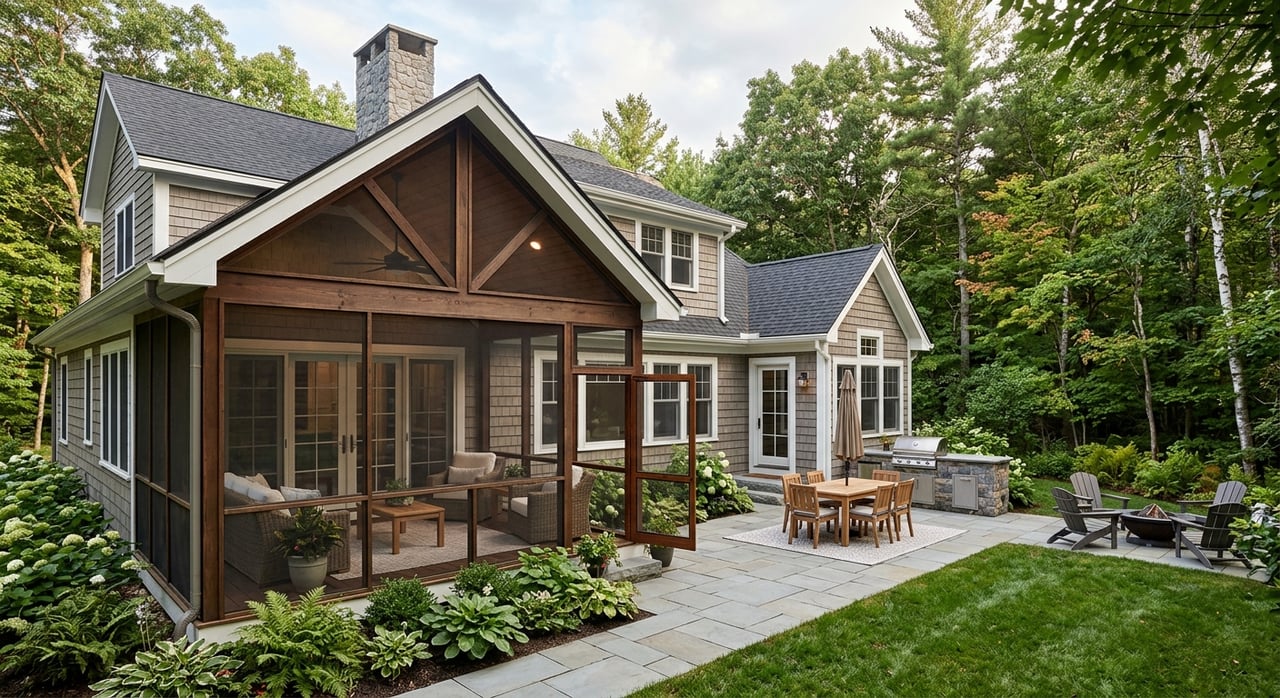
Croasdaile Country Club is a private golf, tennis, swim, and social club in northwest Durham, and the area is noted for convenience to Duke University, lodging, and major shopping areas. If your home benefits from proximity to the club, mature trees, wooded views, or an established setting, those are strong features to emphasize.
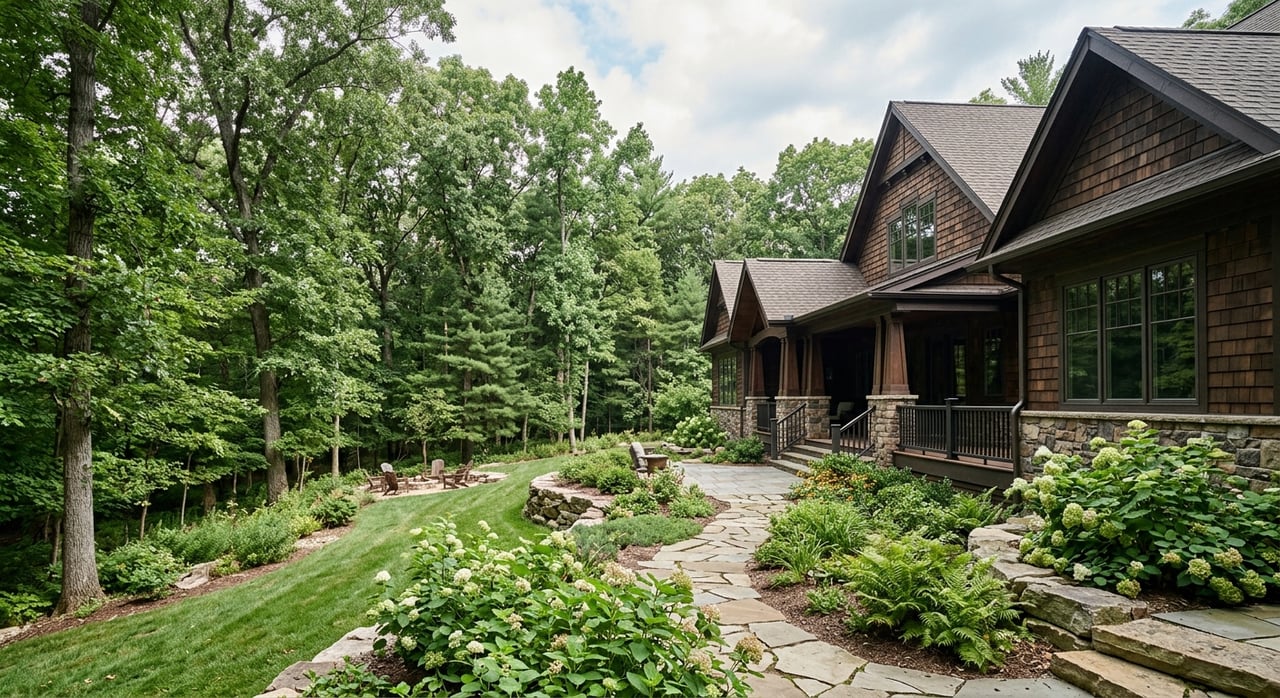
City planning documents also note that portions of Croasdaile Farm lie in the Warren Creek subwatershed, where large tracts of undeveloped forested land are mixed with residential areas. That means site characteristics such as privacy, natural views, and lot setting may be especially important to present well in photography and showings.
When buyers are comparing homes in a premium price range, they often respond to a clear story. The strongest listing story in Croasdaile Farm is usually a blend of:
- Well-documented condition
- Thoughtful preparation
- Established surroundings
- Access to nearby amenities and major destinations
- A home that feels cared for, predictable, and move-in ready
Price With Neighborhood Data
One of the biggest mistakes a seller can make is anchoring to broad Durham numbers instead of Croasdaile-specific data. Durham homes may go pending in about 17 days on average, but that citywide figure does not tell the full story for a premium micro-market.
Croasdaile Farm should be treated as its own pricing conversation. With public data showing a neighborhood average value of $886,167 and a median sale price of $1,012,000, your pricing strategy should reflect recent comparable properties, condition, lot characteristics, and buyer expectations within the neighborhood itself.
A realistic price does not mean leaving money on the table. It means choosing a launch number that fits the market evidence and supports stronger interest, cleaner negotiations, and a more credible position once offers start coming in.
Understand Due Diligence in North Carolina
Once your home is under contract, the process shifts into due diligence. This is the period when the buyer typically orders inspections, reviews repair needs, verifies financing, and evaluates the property in more detail.
In North Carolina, the due diligence period is negotiable and there is no standard length. Sellers should expect access requests, inspection scheduling, and questions about the home’s condition during this time.
The due diligence fee is also a negotiated amount paid by the buyer to the seller by the contract’s effective date. If the sale closes, that fee is credited to the buyer at closing. If the buyer terminates during the due diligence period, the fee is generally nonrefundable unless the seller materially breaches the contract.
From a seller’s perspective, this is why strong prep matters so much. A home with fewer surprises and better records often moves through due diligence with less friction.
Prepare for Repair Negotiations
Even a well-prepared home may lead to repair requests after inspection. That does not automatically mean you need to agree to everything.
In North Carolina, you are not required to make repairs just because the buyer asks. Still, a thoughtful response can help keep a strong contract together, especially when the issue affects financing, insurability, or the buyer’s confidence in the property.
The goal is not to win every line item. The goal is to evaluate requests clearly, understand which issues truly matter, and respond in a way that protects your net proceeds while keeping the transaction moving.
Closing Is Attorney-Driven
North Carolina residential closings are attorney-supervised in practice. The closing lawyer typically handles title review, legal documents, recording, and disbursement after all closing conditions are met.
For sellers, that means the final phase is often document-heavy. Staying organized from the beginning can make this part much easier, especially if you have already gathered HOA information, repair records, permits, and property disclosures.
A smoother closing usually starts long before closing day. Good prep supports better contract terms, fewer surprises during due diligence, and cleaner handoff to the closing attorney.
If you are planning to sell in Croasdaile Farm, the smartest approach is usually a calm, process-driven one: understand the neighborhood market, solve problems early, document what you can, and launch with a clear strategy. When your pricing, paperwork, condition, and presentation all work together, you give yourself the best chance at a cleaner sale from prep to close.
Ready for a more disciplined selling plan in Croasdaile Farm? Start the conversation with Chris & Kevin Knapp - Main Site.
FAQs
What makes selling a home in Croasdaile Farm different from selling elsewhere in Durham?
- Croasdaile Farm sits in a higher price band than Durham overall, so buyers may compare your home more closely on condition, presentation, lot setting, and documentation rather than using citywide averages alone.
What disclosures are required when selling a home in North Carolina?
- Sellers of most residential one- to four-unit properties must provide the Residential Property and Owners’ Association Disclosure Statement and the Mineral and Oil and Gas Rights Mandatory Disclosure Statement before an offer is made.
What HOA information should a Croasdaile Farm seller gather before listing?
- If the property is governed by an owners’ association or mandatory covenants, gather dues, assessments, association contact information, transfer fees, and details about services or amenities covered by regular dues.
What repairs should a Croasdaile Farm seller prioritize before listing?
- Focus first on known condition issues such as water intrusion, roof concerns, HVAC problems, drainage issues, or unpermitted work, then address cosmetic items that improve buyer confidence and presentation.
What happens during the due diligence period in a North Carolina home sale?
- During due diligence, the buyer may inspect the property, review repair needs, verify financing, seek quotes, and decide whether to move forward under the contract terms.
Who handles the closing process for a home sale in North Carolina?
- North Carolina closings are attorney-supervised in practice, and the closing lawyer typically manages title review, legal documents, recording, and disbursement once closing conditions are satisfied.