Looking for a golf community in the Triangle but not sure how Governors Club really compares? If you are weighing privacy, housing choices, club access, and day-to-day practicality, the details matter more than the brochure language. This guide will help you understand where Governors Club fits in the Chapel Hill and broader Triangle market so you can decide whether its setup matches how you want to live. Let’s dive in.
Governors Club at a Glance
Governors Club is a 1,600-acre gated residential community in Chapel Hill, located in Chatham County. It is built around a 27-hole Jack Nicklaus Signature golf course and a member-owned country club.
The community describes itself as the Triangle’s only gated golf community and private club. Community materials also highlight parks, gathering areas, a bark park, and access to major Triangle employment and health care centers.
According to the community’s published quick facts, Governors Club is about 20 minutes from downtown Chapel Hill, 30 minutes from Durham, 50 minutes from Raleigh, and 30 minutes from RDU. The same materials note that Jordan Lake is about five minutes away and everyday errands are about 10 minutes away.
What Makes Governors Club Different
Many Triangle golf communities are centered on the club first and the surrounding homes second. Governors Club stands out because it is not just a place with golf nearby. It is a gated residential setting where the club, the neighborhoods, and the daily rhythm of the community are closely tied together.
That creates a different experience from a typical subdivision or a country club where members may live all over the region. If you want a more private, club-centered residential environment, that distinction is important.
Gate control and layout
Governors Club has two gated entrances, including a Mt. Carmel Church gate with a 24/7 attendant. For many buyers, that is part of the appeal because access and entry are more structured than in an open neighborhood.
The scale also matters. With 1,600 acres and more than 11 residential neighborhoods, the community feels less like a single subdivision and more like a collection of smaller areas with different home styles and settings.
A community built around club life
Club life is a central feature here. The clubhouse overlooks the course and offers casual and formal dining, indoor and outdoor dining areas, tennis, pickleball, a wellness center, indoor and outdoor pools, and youth programming.
Community materials say the club hosts more than 400 events per year. They also list groups and activities such as the Arts Society, Wine Society, La Coterie, Bridge Club, and Great Decisions.
Housing Options Across Governors Club
One of the strongest selling points for Governors Club is variety. Buyers are not choosing from one narrow housing type.
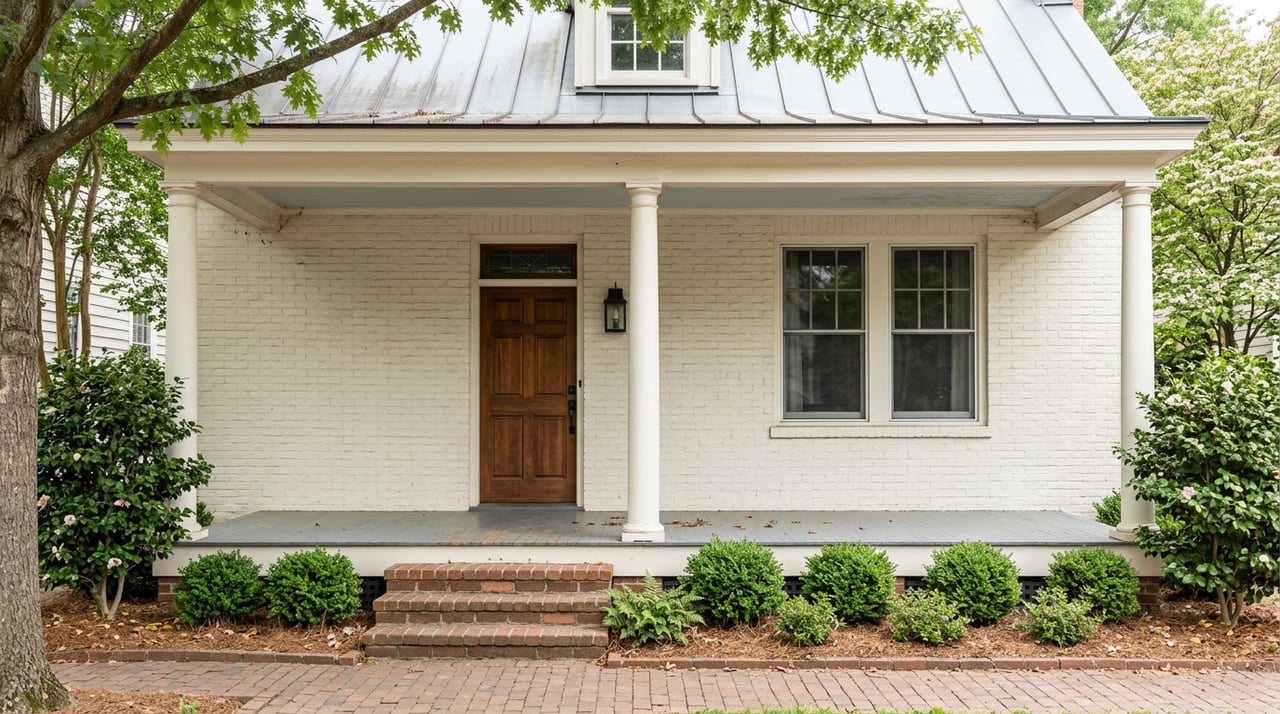
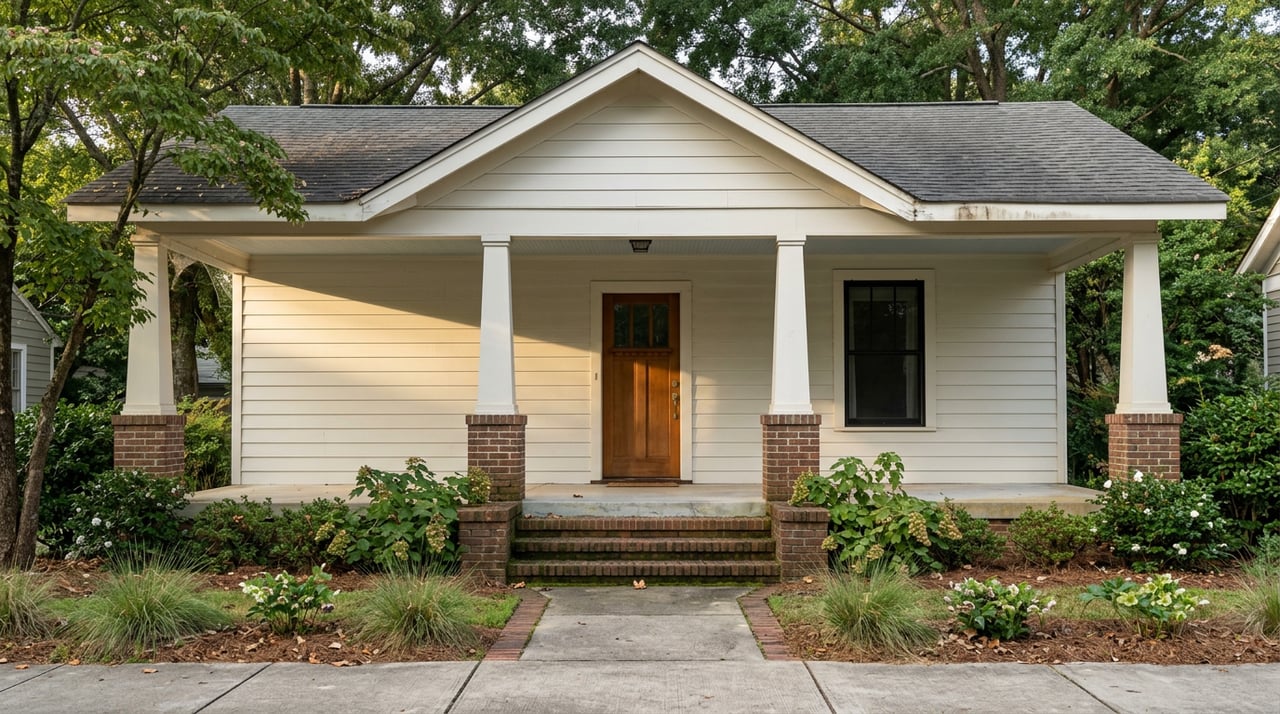
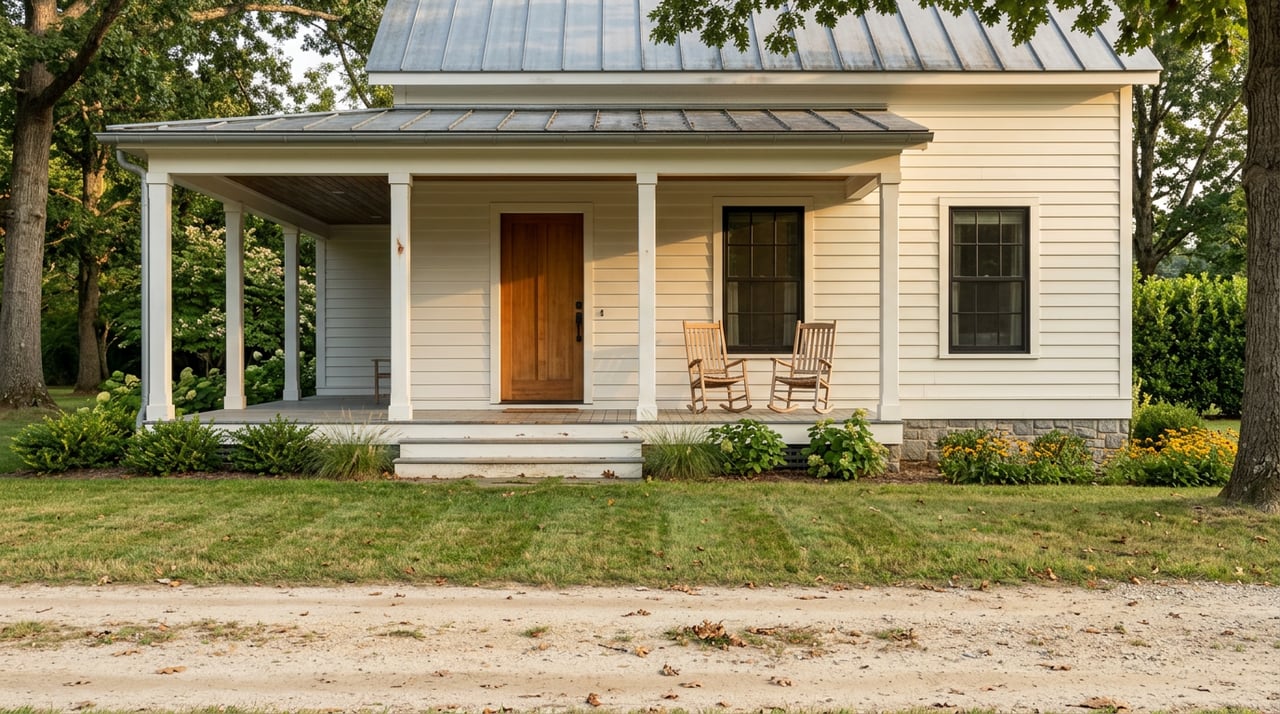
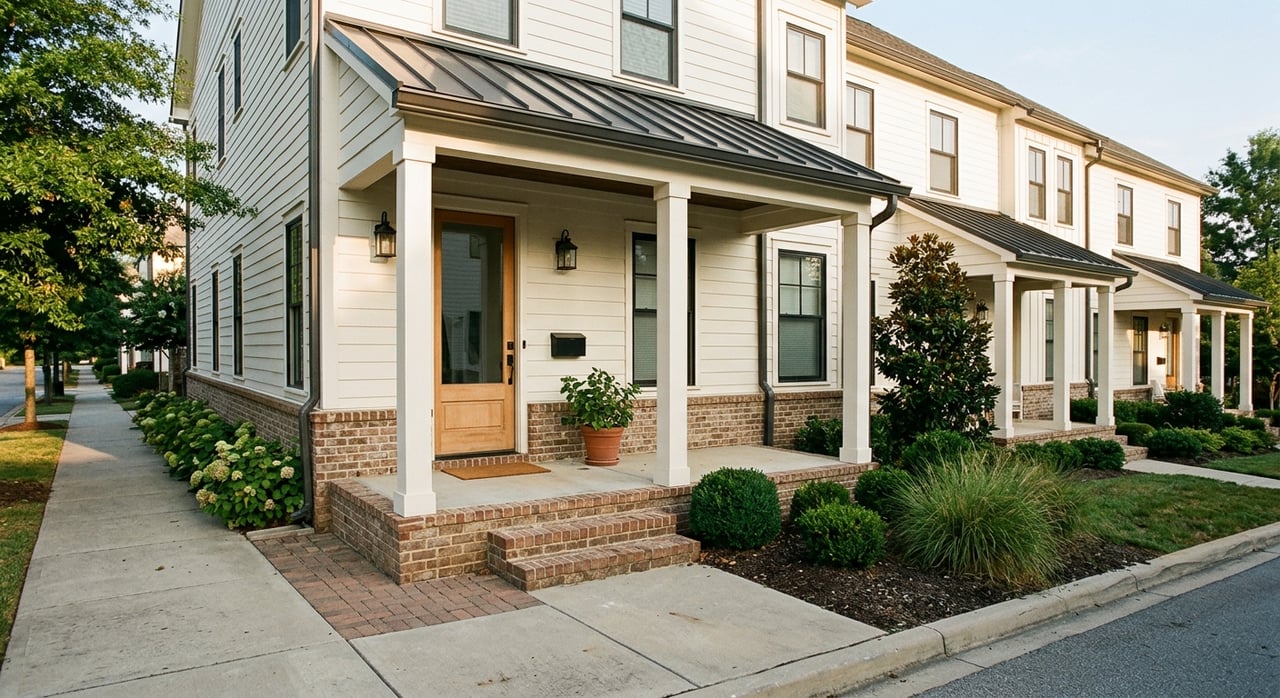
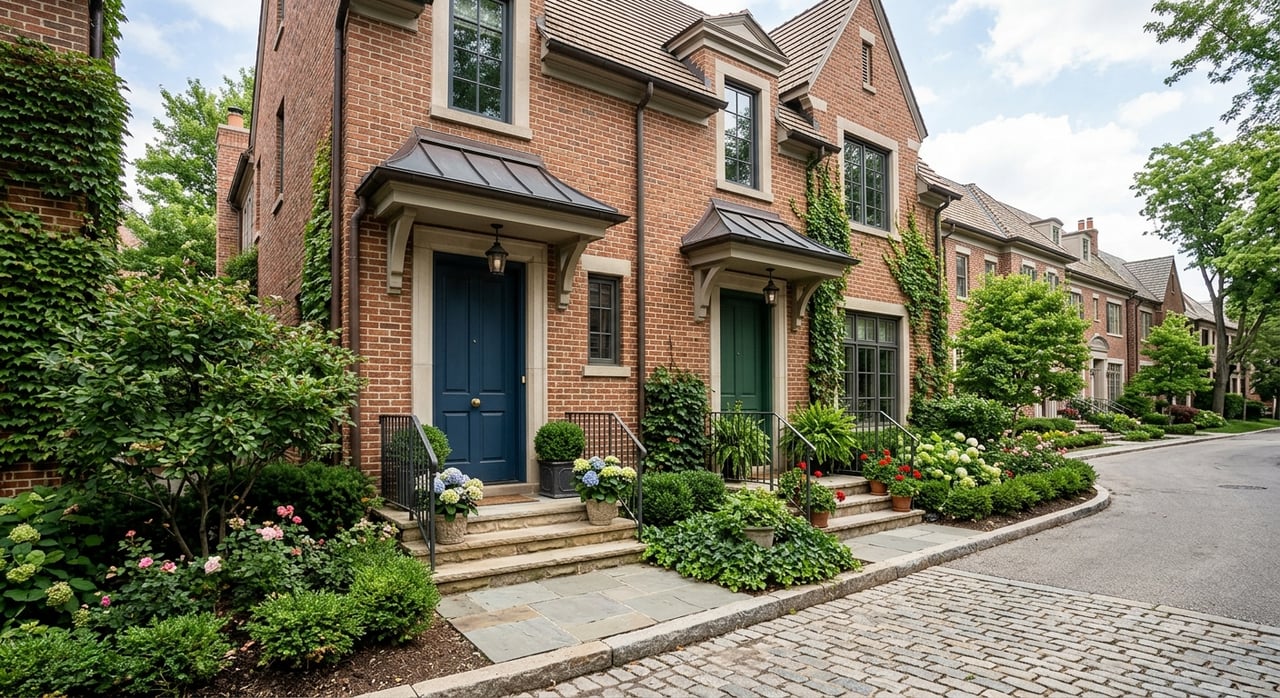
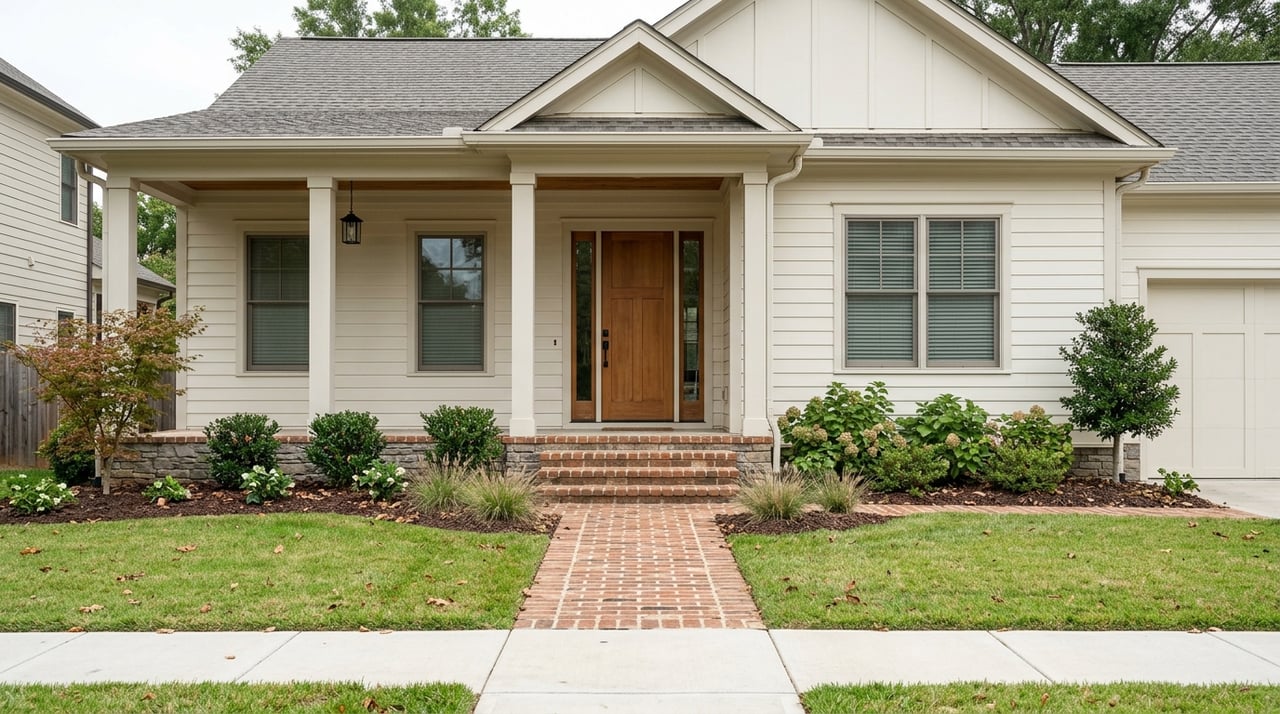
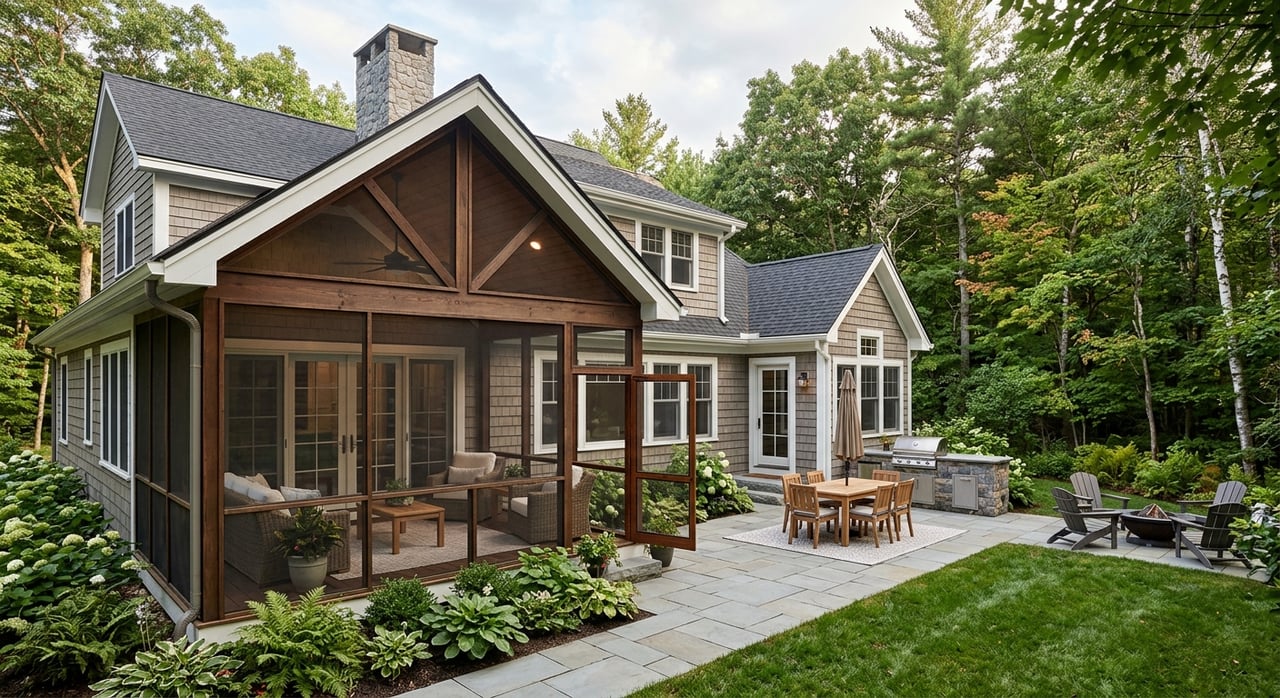
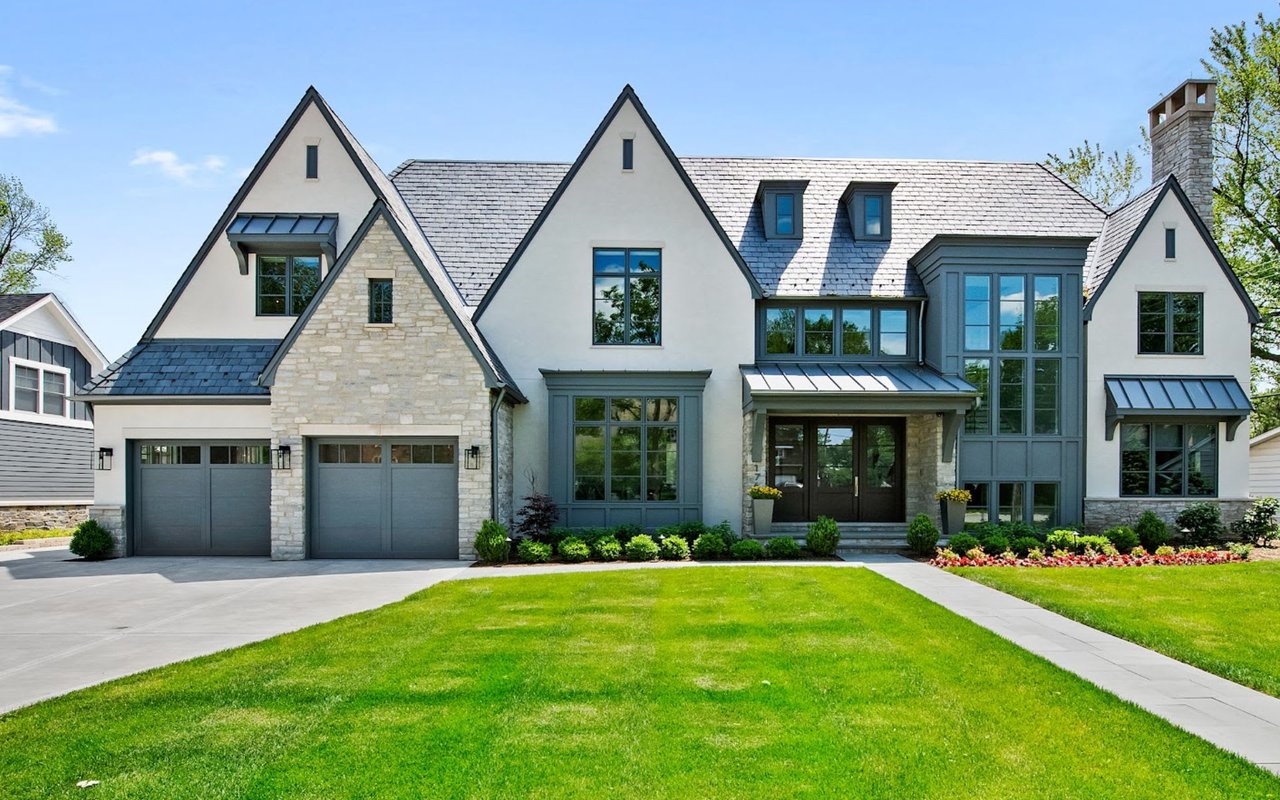
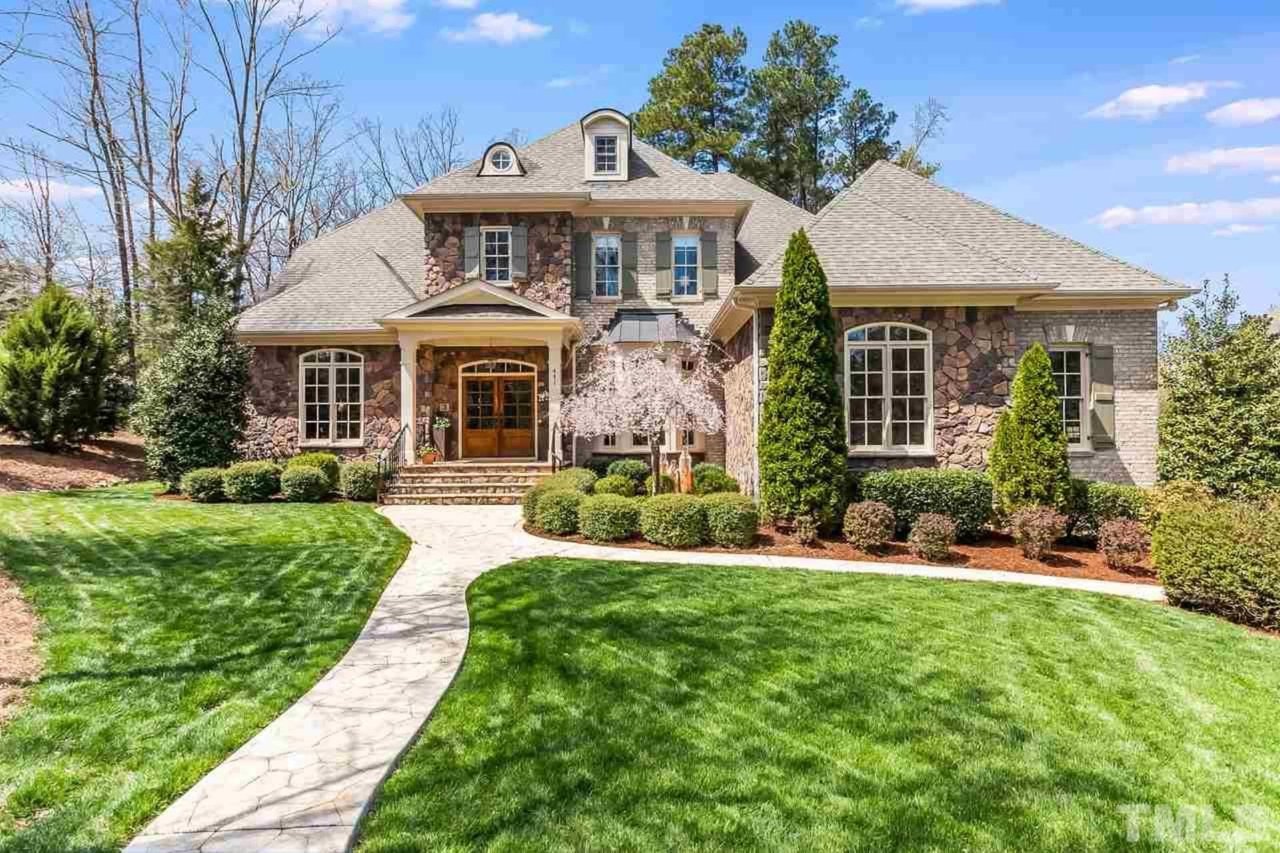
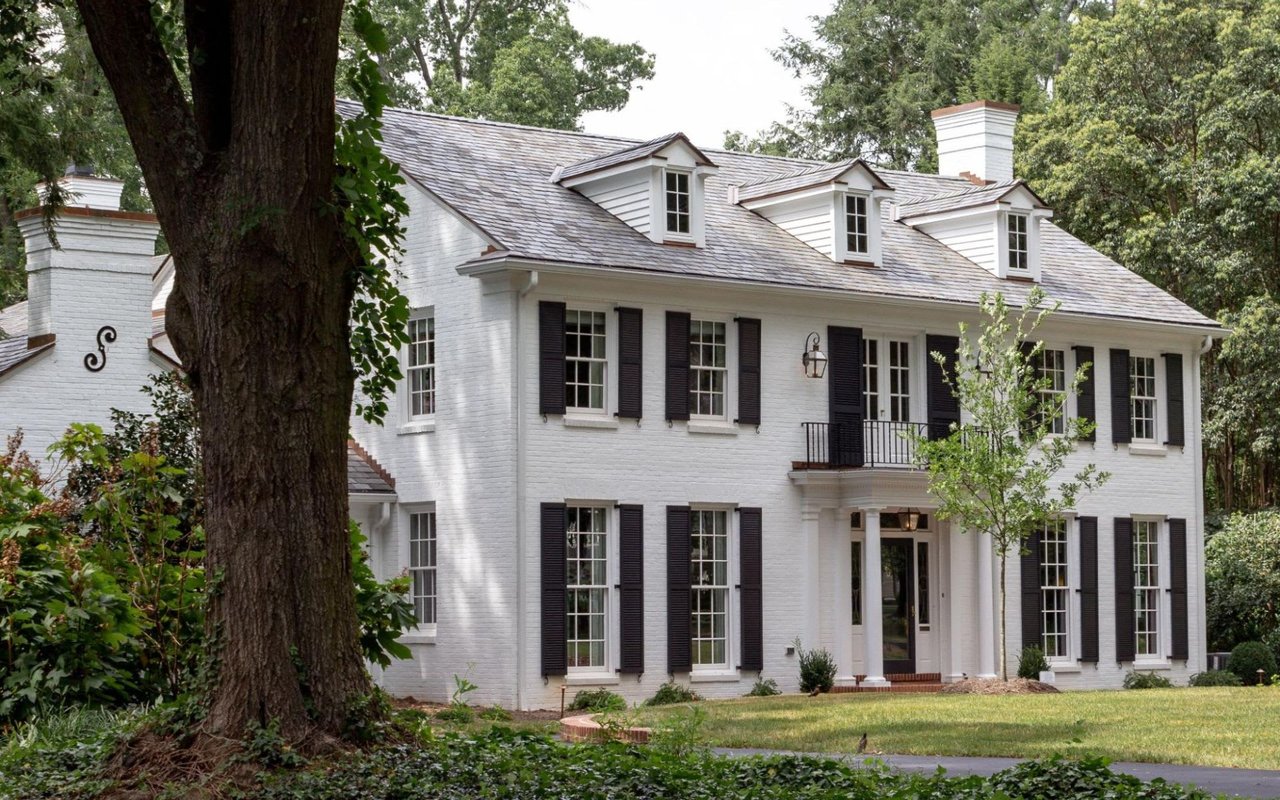
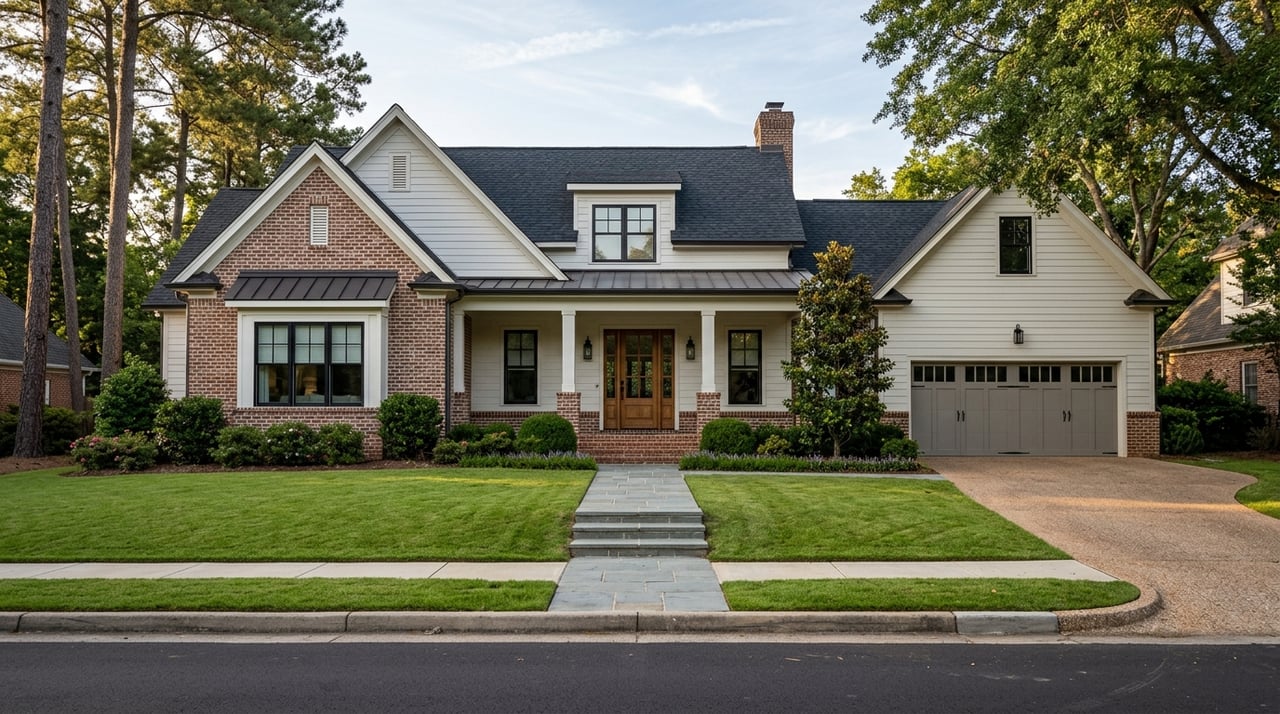
Official community materials show a mix of village homes, detached custom homes, townhomes, club cottages, and estate properties. That gives you more flexibility if you want the Governors Club setting but do not want the same lot size, maintenance level, or home scale as every other buyer.
Examples of micro-neighborhoods
Several neighborhoods help show how different the experience can be from one section to another:
- Governors Square offers golf-course views, close access to the Mt. Carmel gate, and sidewalk access to club amenities.
- Highland Pond features large wooded estate lots, varied topography, and long-range views.
- Stone Brook includes Country French architecture and its own amenities such as a private pool, tennis courts, fire pit, waterfall, playground, and pavilion.
- Tryon Courte is positioned with golf on two sides and convenient access to golf, wellness, and dining facilities.
- Vance Villas and Club Cottages offer smaller-format homes close to sidewalks and club facilities.
The practical takeaway is simple. Governors Club does not function like a uniform neighborhood where every street offers the same trade-offs.
Why street-by-street analysis matters
Architectural guidelines and neighborhood materials show that some sections rely on model-based plans or supplemental color palettes, while others are more custom in nature. That means home style, exterior rules, and upkeep expectations can vary meaningfully depending on where you buy.
If you are comparing homes here, it helps to evaluate more than square footage and price. You also want to compare neighborhood character, lot type, access to club areas, and the likely maintenance burden.
Daily Life in Governors Club
If you are trying to picture your routine, Governors Club blends on-site recreation with car-based access to the rest of the Triangle. It is not isolated, but it is more club-centered than a conventional neighborhood.
For some buyers, that is the sweet spot. You can enjoy private amenities and an organized social calendar while still keeping Chapel Hill, Durham, RDU, and Jordan Lake within a reasonable drive.
Golf and recreation
The 27-hole course is designed for casual, social, and competitive golfers. Community materials also note that the region’s mild winter climate supports year-round play.
Beyond golf, the club offers tennis, pickleball, wellness facilities, pools, and family programming. Published offerings include date nights with childcare, Kids Eat Free Wednesdays, junior golf and tennis clinics, swimming lessons, camps, and a year-round Junior Golf Academy.
Social rhythm and convenience
For buyers who want built-in activity, Governors Club offers a structured social environment. The club calendar and group programming can make it easier to meet people and stay active without leaving the community.
At the same time, daily life still depends on driving for many errands and regional commuting. That balance works well for buyers who want privacy at home without giving up practical access to the wider Triangle.
Costs, Dues, and Rules to Understand
This is one of the most important parts of your decision. Governors Club is not a one-fee community.
According to the 2026 assessment schedule, the master Property Owners Association assessment is $3,957 annually for improved lots and $2,968 annually for unimproved lots. The POA handles items such as gates, roads, sidewalks, common-area landscaping, and stormwater management.
Club membership is separate
Country club membership costs are not included in POA assessments. If club access is a major reason you are considering Governors Club, you will want to review that layer separately from the property ownership costs.
This matters because two homes with similar sale prices may carry different ongoing costs depending on neighborhood fees and whether club membership is part of your plan.
Some neighborhoods add fees
Some sections have their own sub-association fees or services. Community materials show separate neighborhood-level charges in places such as Stone Brook, Tryon Courte, and Vance Villas.
That means your true carrying cost may include both the master assessment and neighborhood-specific charges. If you are comparing streets or home types, this is a key part of the math.
Exterior approvals and community rules
Governors Club has a more detailed approval structure than many non-gated neighborhoods. The Architectural Review Board requires written approval for many exterior or site changes, including clearing, fences, roofs, and exterior colors and materials.
Community rules also address noise, parking, recreational vehicle storage, trash timing, solicitation, and gate access. Lease agreements must be submitted to the POA before occupancy.
For some buyers, this level of structure is a benefit because it supports consistency. For others, it may feel too restrictive, so it is worth being honest about your preferences before you buy.
How Governors Club Compares in the Triangle
If you are choosing between golf-oriented communities in the Triangle, Governors Club fills a specific niche. It is especially relevant if you want a Chapel Hill-area address and a gated residential setting tied closely to a private club.
Two useful comparison points from the broader Triangle are Prestonwood and MacGregor Downs.
Governors Club vs. Prestonwood
Prestonwood in Cary is a major Triangle golf-club destination, but it is structured differently. Its club sits within Preston, and homeownership in the immediate development is not required for membership.
Compared with Governors Club, Prestonwood is more membership-centric and Cary-oriented. Governors Club is more of a gated residential enclave with optional club membership.
Governors Club vs. MacGregor Downs
MacGregor Downs offers another Cary comparison. It presents more like an established neighborhood adjacent to a country club, with a classic neighborhood-club feel.
Relative to Governors Club, MacGregor Downs is a more compact option rather than a 1,600-acre gated environment. If you are drawn to scale, gates, and multiple neighborhood formats, Governors Club stands apart.
Who Governors Club Fits Best
No community is right for everyone. Governors Club tends to fit buyers who want a specific combination of privacy, recreation, and structure.
You may find it a strong match if you want:
- A gated residential setting with controlled access
- A private-club environment with a strong social calendar
- Golf-course living or view-oriented homesites
- Multiple housing formats within one community
- Access to Chapel Hill and the broader Triangle while living in a more self-contained environment
It may be less compelling if your daily routine is centered on Cary or west Raleigh and your top priority is the shortest drive to RTP or RDU. In that case, other Triangle golf communities may function better for your commute.
Smart Questions to Ask Before You Buy
Because Governors Club has layered costs and varied neighborhood setups, your due diligence should be detailed. A home that looks perfect online may come with a lifestyle or cost structure that feels different once you dig in.
Start with these questions:
- Is this neighborhood close to the gate or club amenities I expect to use most?
- What are the master POA costs and are there sub-association fees?
- Is club membership part of my plan, and what does that add to my budget?
- How much exterior review control am I comfortable with?
- Does this home type match my preferred maintenance level?
- Is my routine more Chapel Hill-focused or more Cary-RTP-focused?
If you answer those clearly, you will have a much better sense of whether Governors Club is truly a fit rather than just an attractive idea.
Governors Club can be an excellent match if you want a private, club-centered lifestyle with meaningful housing variety in the Chapel Hill area. The key is to look past the gates and the golf and evaluate the practical details like neighborhood differences, assessments, approval rules, and how your weekly routine would actually work. If you want help comparing Governors Club to other Triangle options or narrowing down the right fit by lifestyle and budget, Chris & Kevin Knapp - Main Site are ready to help you start a conversation.
FAQs
What is Governors Club in Chapel Hill, NC?
- Governors Club is a 1,600-acre gated residential community in Chapel Hill, located in Chatham County, built around a 27-hole Jack Nicklaus Signature golf course and a member-owned country club.
What types of homes are available in Governors Club?
- Community materials show a range of housing options including village homes, detached custom homes, townhomes, club cottages, and estate properties.
Are Governors Club country club fees included in HOA dues?
- No. The Property Owners Association assessment is separate, and country club membership costs are not included in POA assessments.
Does Governors Club have more than one HOA fee?
- It can. In addition to the master POA assessment, some neighborhoods have separate sub-association fees or services.
Is Governors Club a good fit for Triangle golf-community buyers?
- It can be a strong fit if you want a gated Chapel Hill-area community with private-club amenities, multiple home formats, and a structured community environment.