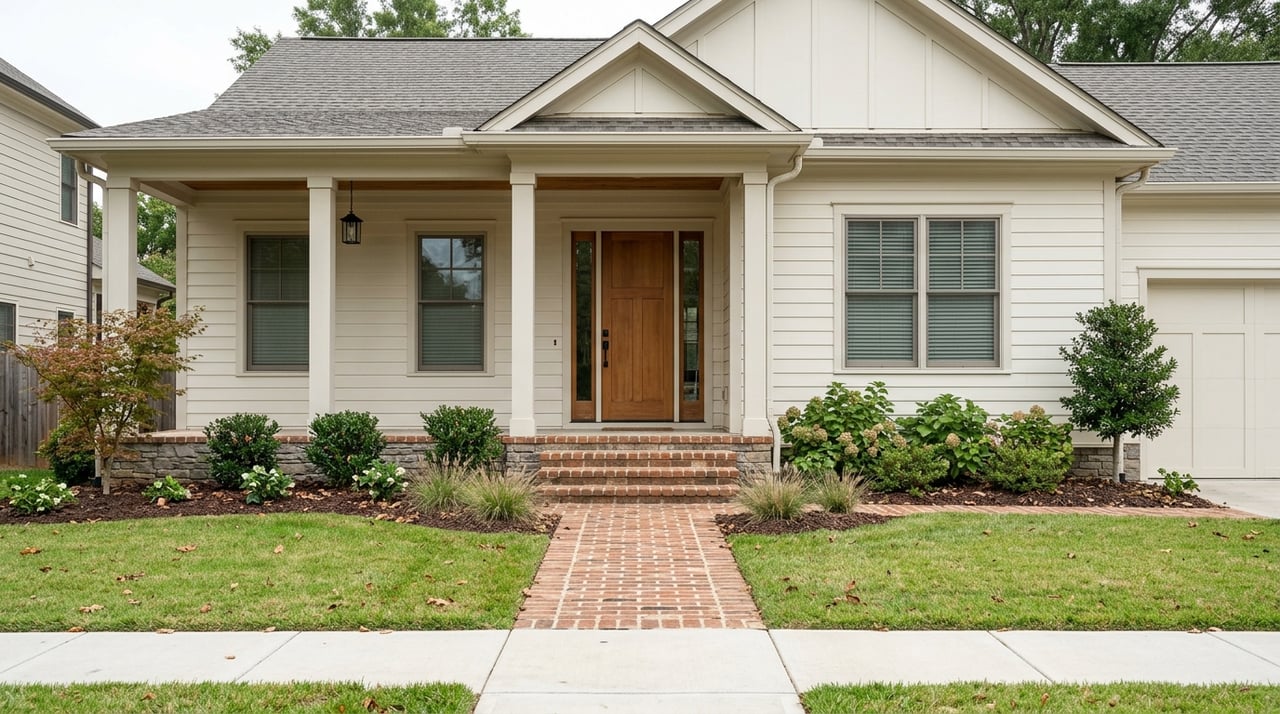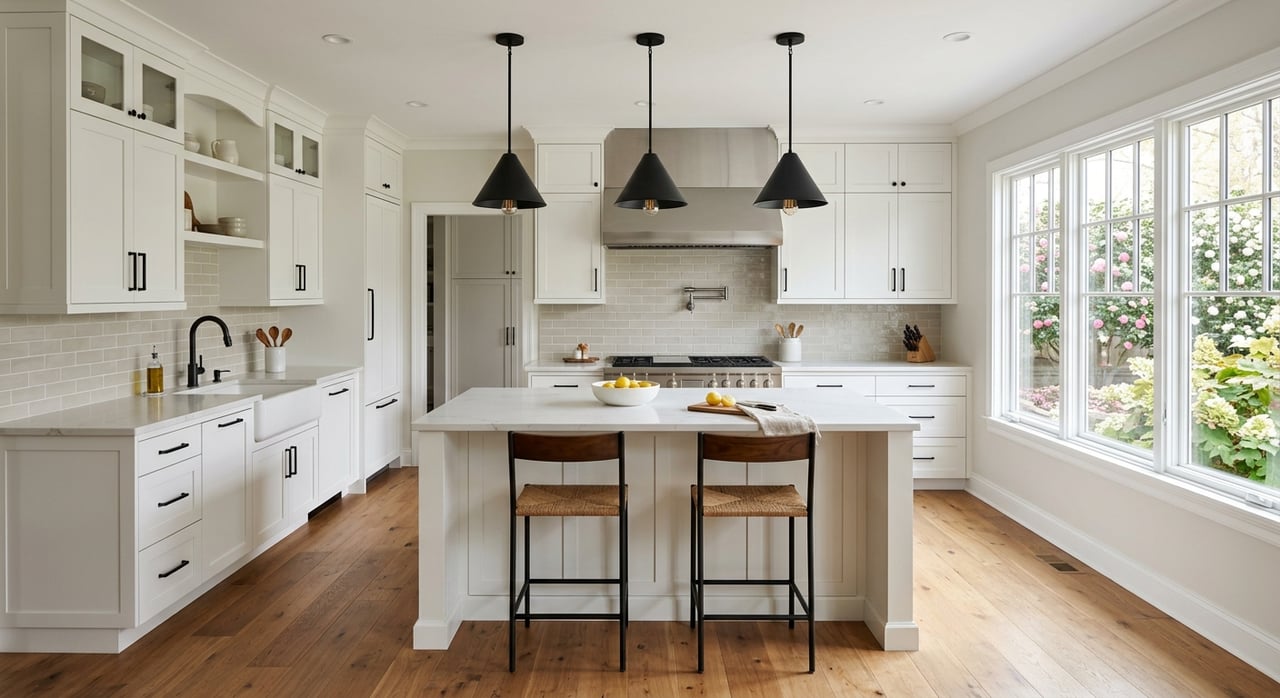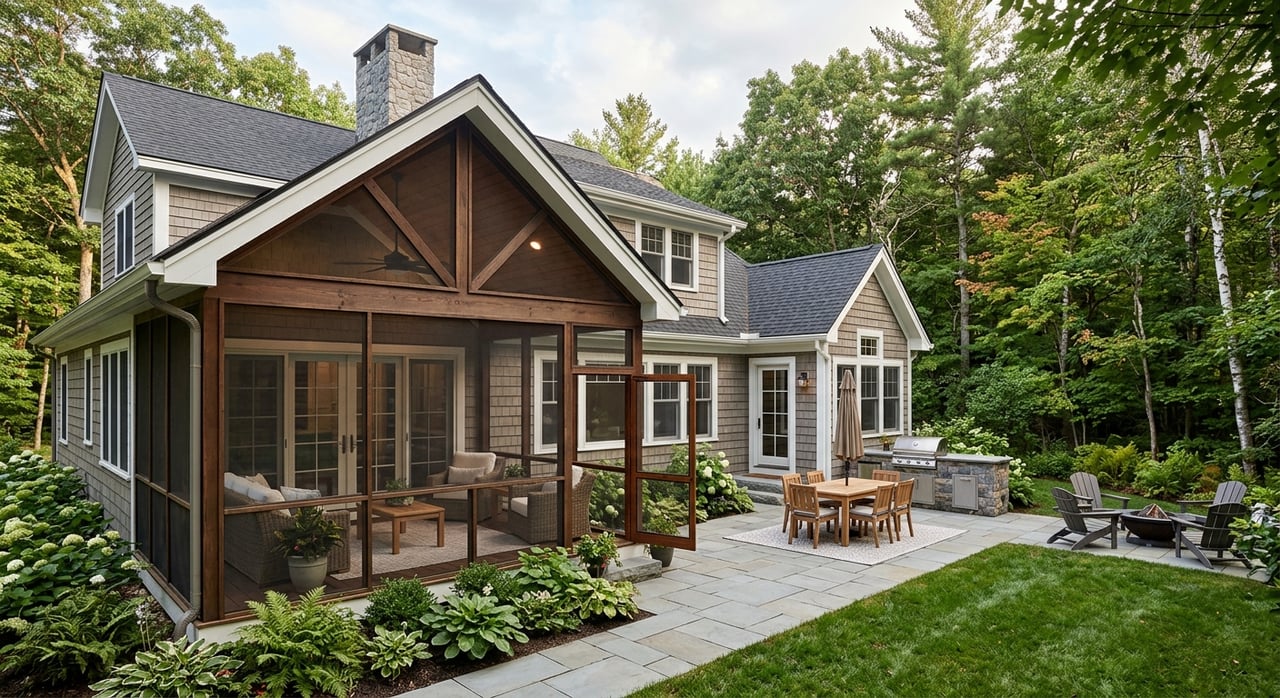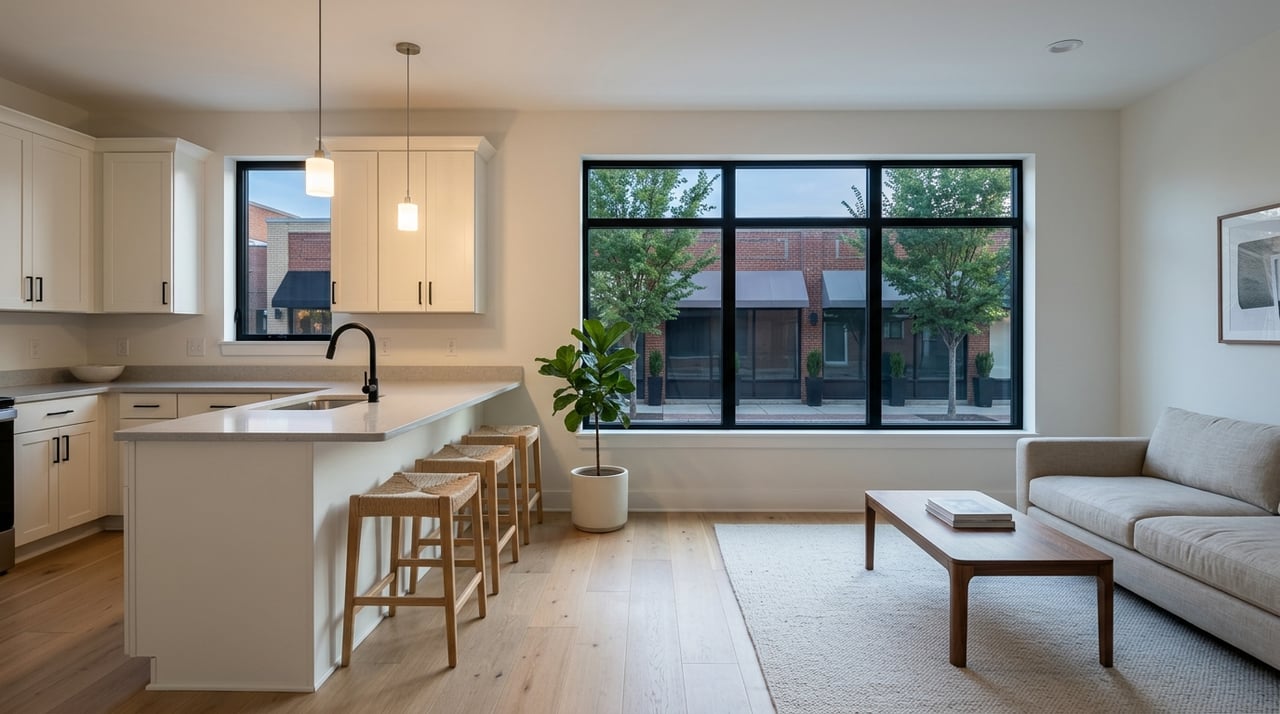
If you love older homes, you already know the trade-off: the charm that pulls you in can also hide the questions that matter most. In Duke Forest, that trade-off is especially worth understanding because this Durham neighborhood offers a rare mix of individualized houses, mature trees, and an established setting near Duke. If you are hoping to buy a home with real personality instead of a copy-and-paste floor plan, this guide will help you think clearly about what Duke Forest does well, where the risks tend to show up, and how to evaluate each property with confidence. Let’s dive in.
Why Duke Forest Appeals to Character-Home Buyers
Duke Forest stands out because it was not built as a typical speculative subdivision with one repeated model after another. Duke University began developing the neighborhood in 1929 after assembling wooded land in the mid-1920s, and the area was originally planned as faculty housing. That early pattern helps explain why many homes still feel custom, spacious, and distinct today.
Historic accounts describe owner-built homes, along with deep setbacks that shaped the neighborhood’s layout. A 50-foot front setback and 15-foot side setbacks helped create a streetscape with breathing room. Even now, that older planning pattern contributes to the wooded, established feel many buyers want.
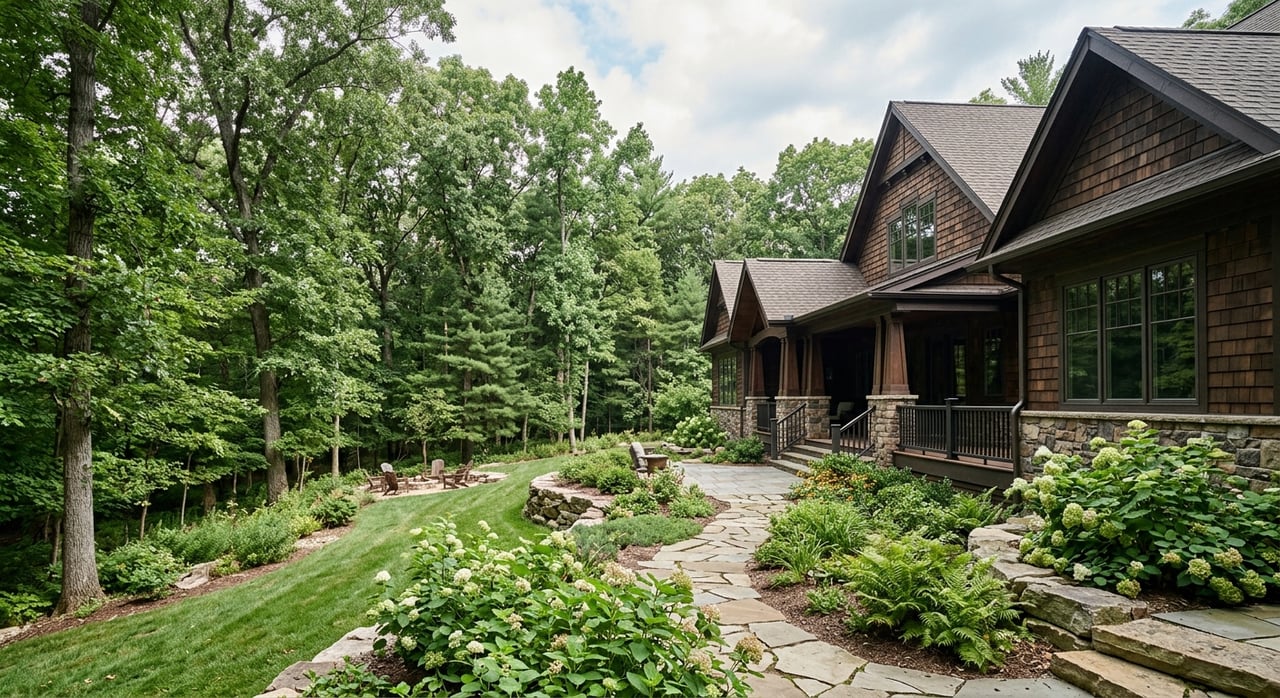
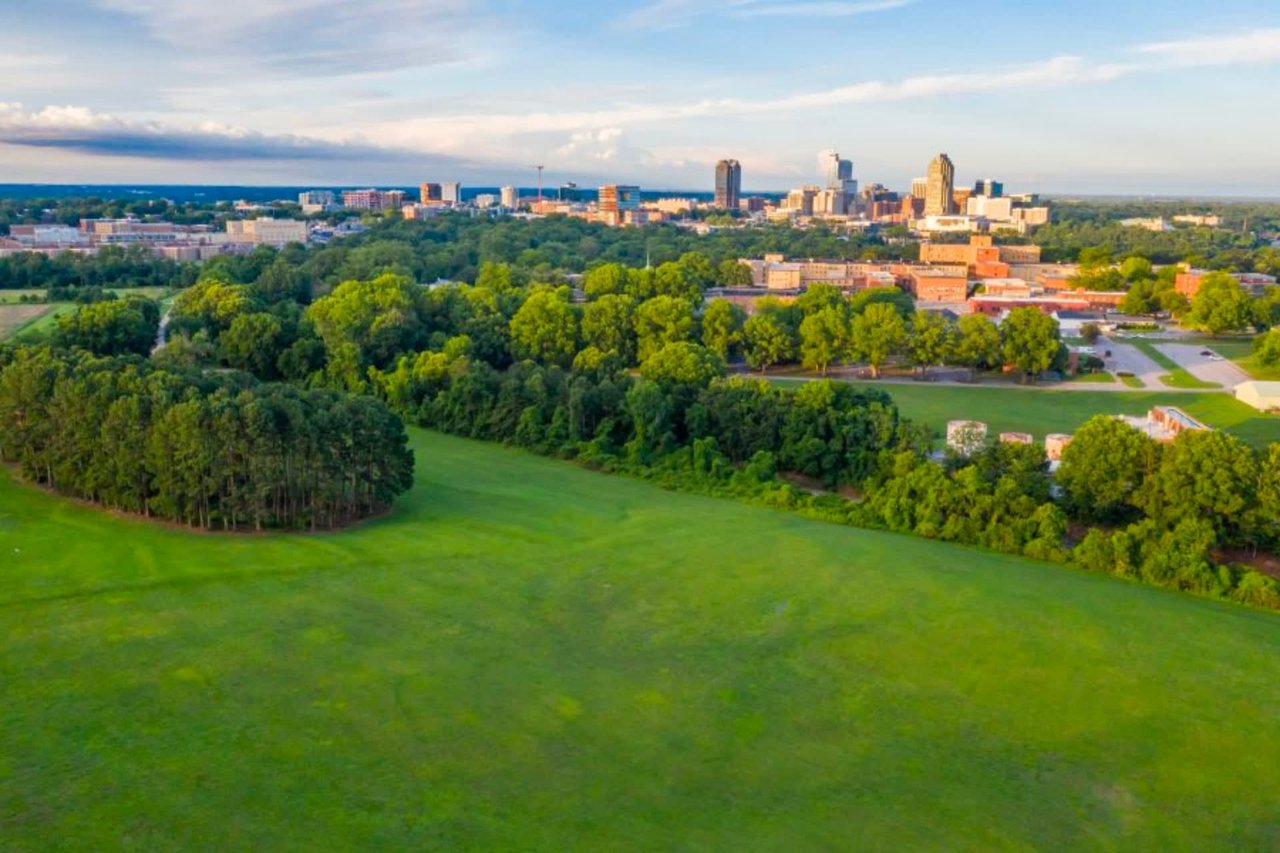
The setting matters too. The nearby Duke Forest is a large research and teaching forest that is actively managed, which helps preserve the wooded backdrop that defines this part of Durham. In practical terms, the natural setting around the neighborhood feels intentional and durable, not like greenery that could easily disappear with the next phase of development.
What “Character” Looks Like Here
In Duke Forest, character does not mean one style. It means variety.
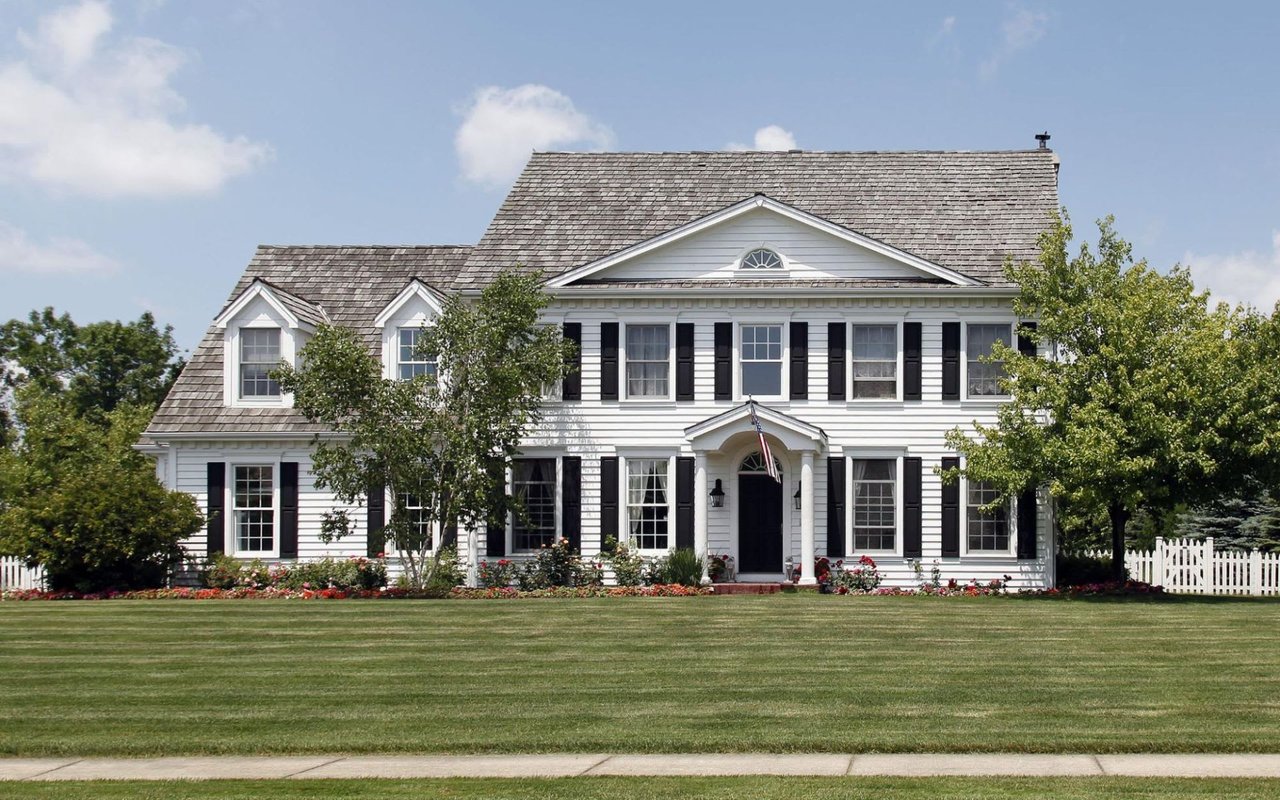
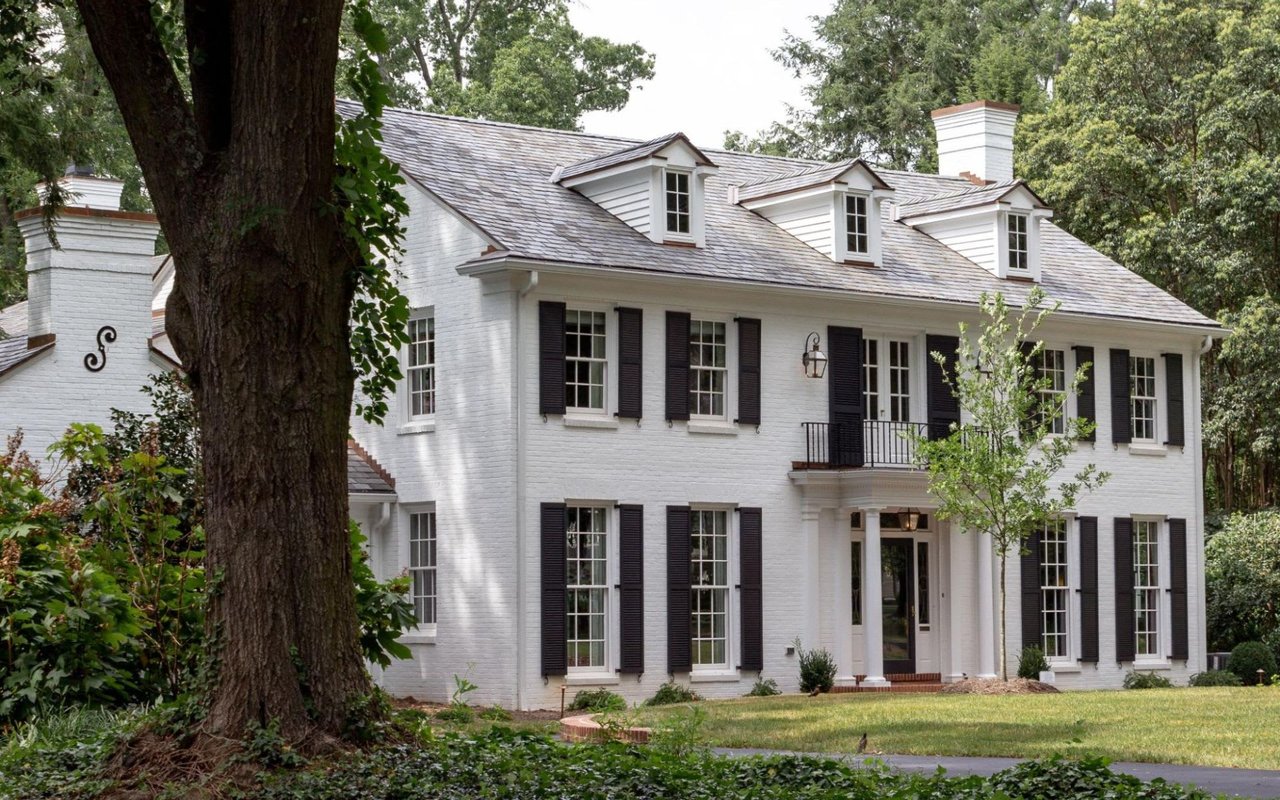
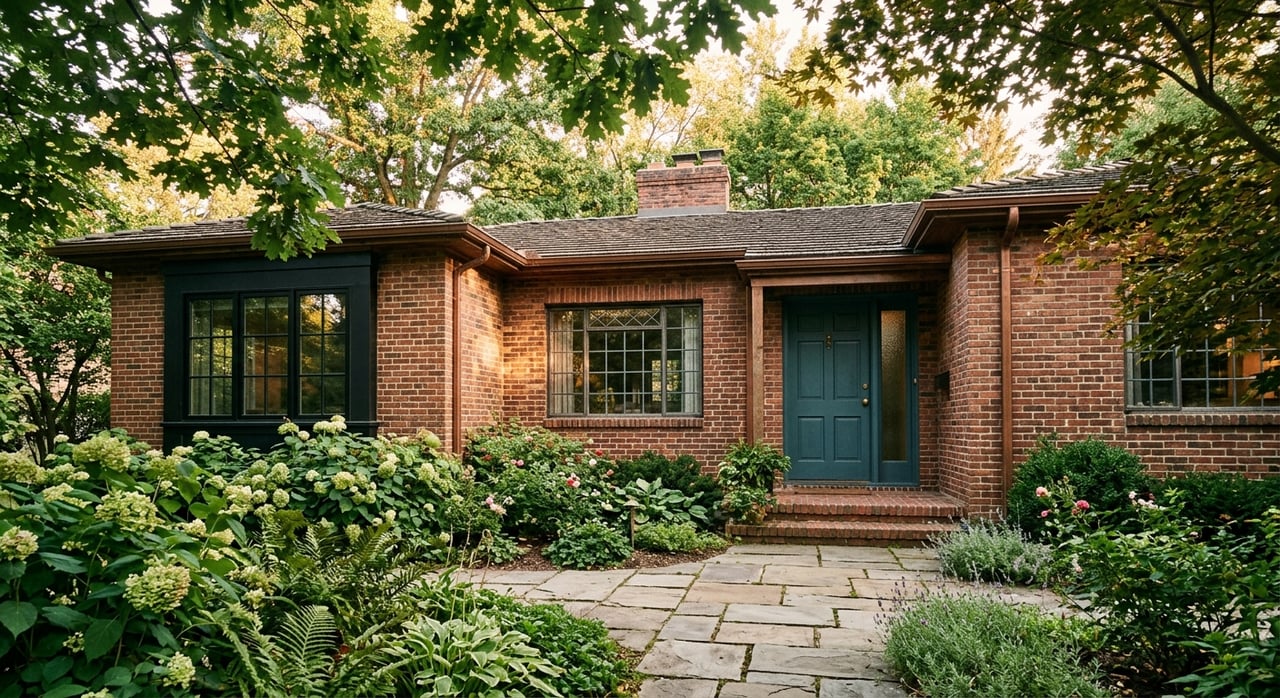
Early homes in areas like Pinecrest established a period-revival look, including Tudor or English Cottage and Colonial Revival examples. Later decades added modernist homes on streets such as Sevier and Wrightwood, and newer infill has also been designed to fit the existing streetscape.
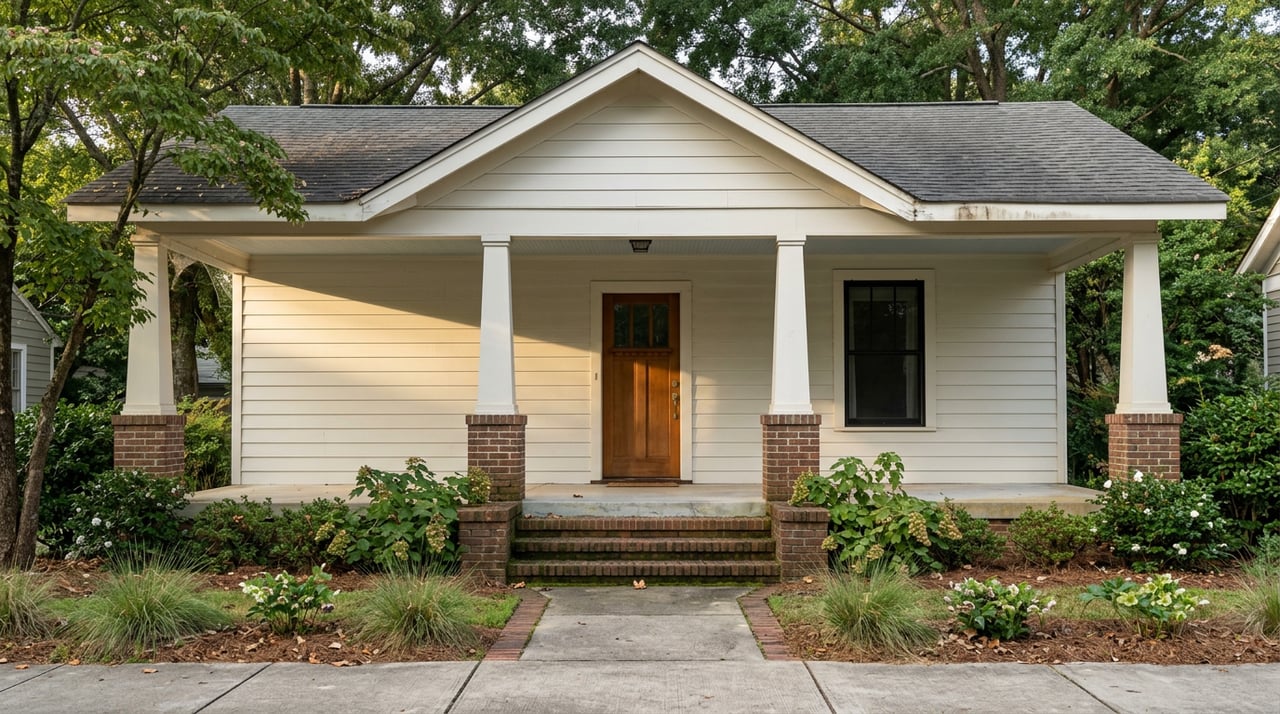
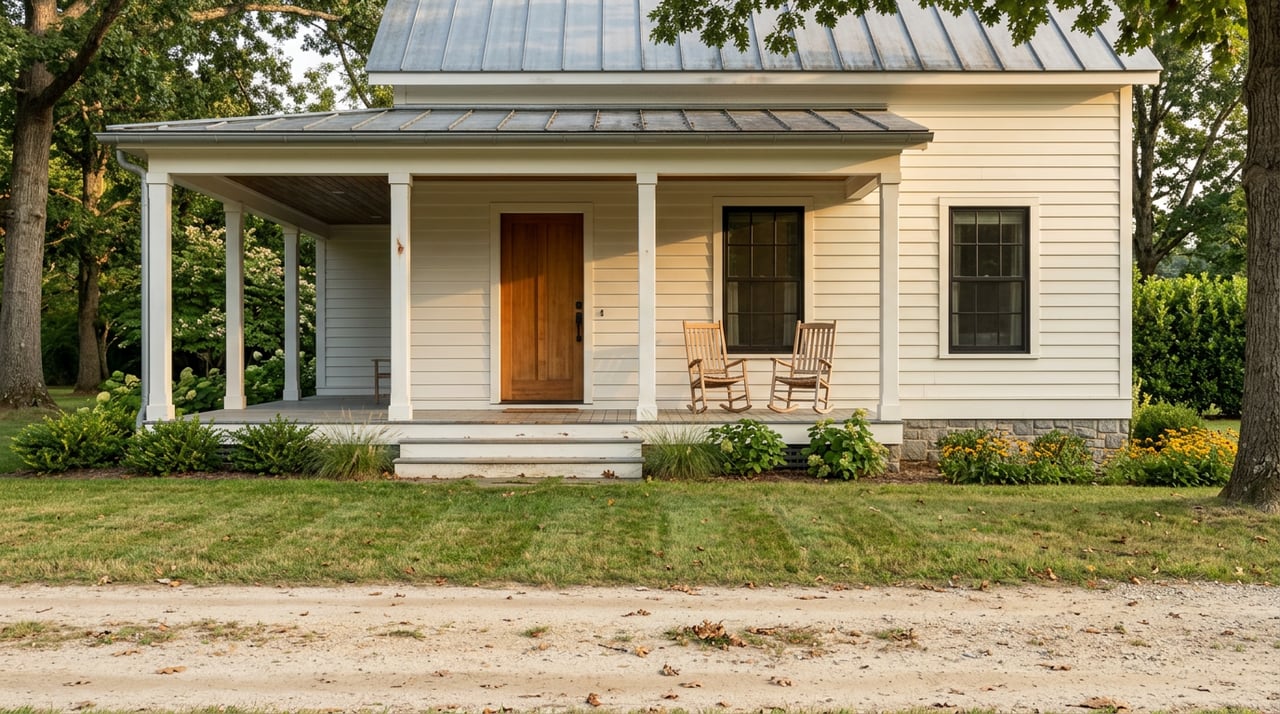
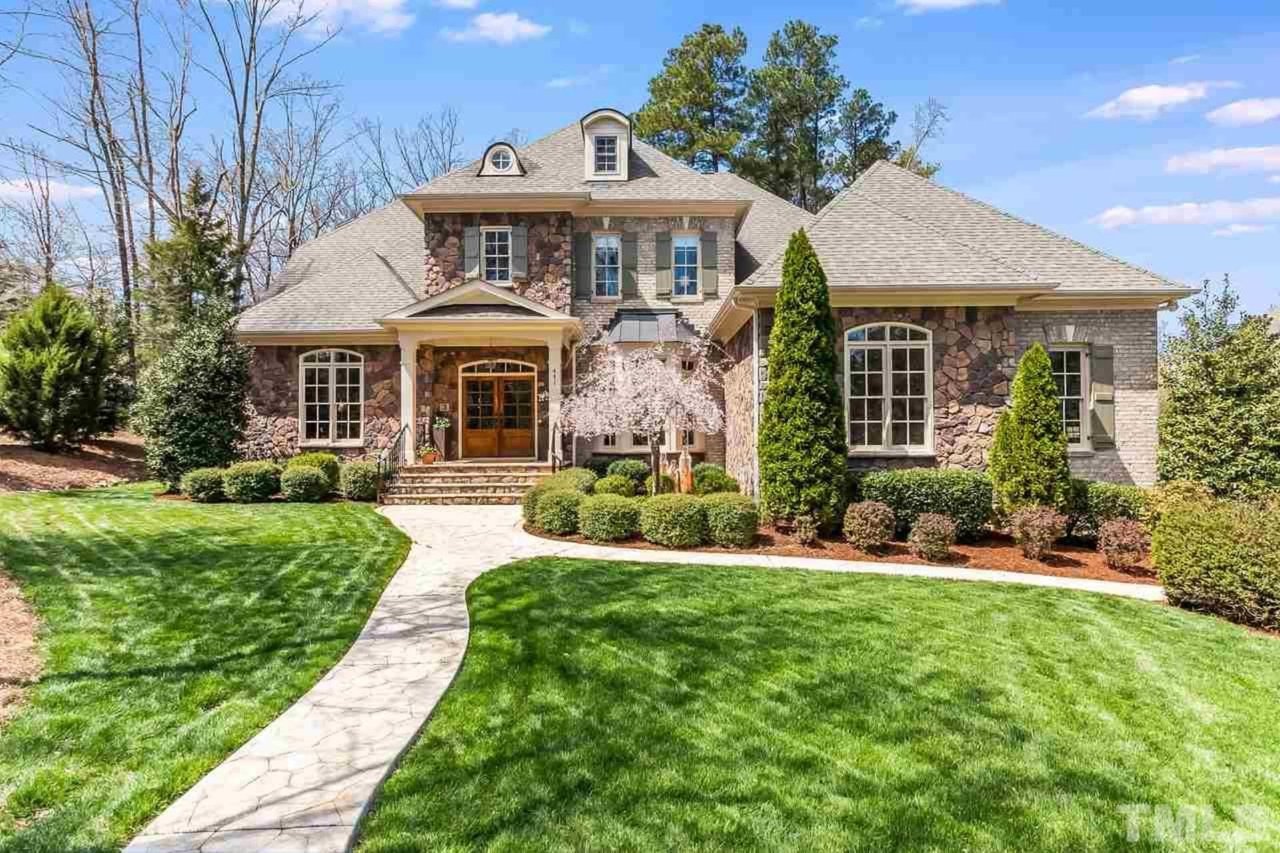
That range is a big part of the appeal if you want a house that feels individual. You may see a 1930s revival home on one block, a later modernist property a few streets away, and a newer home that still respects the neighborhood context. Duke Forest is not a one-note neighborhood, which is exactly why many buyers are drawn to it.
At the same time, it helps to keep your expectations grounded. Third-party neighborhood data point to a mixed-age housing stock, with a median construction year of 1987 and homes ranging from pre-1940s properties through the 2010s and 2020s. That means character homes are important to the neighborhood identity, but they are not the whole inventory.
Why the Neighborhood Feels Different
Many buyers respond to Duke Forest before they can fully explain why. Usually, the answer comes down to street pattern, landscaping, and the way the homes sit on their lots.
Because the neighborhood evolved over decades, the blocks often feel less uniform than newer communities. Historic sources note that many homes were inspired by stock plans or magazine plans and then tailored to the owner’s taste. That tends to create more visual variety and a more personal feel than a builder-led subdivision with a narrow menu of plans.
The lot experience is also part of the draw. The safest way to describe Duke Forest is spacious and wooded, rather than promising that every parcel is especially large. Some pockets can feel almost estate-like, while others are simply more established and private than what you may find in newer parts of Durham.
What to Watch for in Older Homes
If you are buying in Duke Forest because you prefer character homes, your job is not just to fall in love with details. Your job is to separate lasting value from future projects.
Older homes may need more work to meet modern comfort expectations. The U.S. Department of Energy notes that many older homes have less insulation than newer ones, and a home energy assessment can help identify air-sealing needs before insulation is added. If a home still has older attic insulation, drafty areas, or outdated ductwork, charm alone will not make it feel comfortable year-round.
Air sealing, insulation, and ventilation are often the core issues. A well-sealed home can reduce drafts, moisture, insects, and utility costs. So when you tour a house that feels special, it is worth asking whether the comfort systems behind the walls have been improved enough to support everyday living.
Lead-safe renovation is another key issue for older properties. The EPA says homes built before 1978 are more likely to have lead-based paint, and renovation or repair that disturbs that paint can create hazardous dust. If you are thinking about updates in a pre-1978 home, make sure you understand how lead-safe work practices could affect your project scope and budget.
Duke Forest Renovation Questions to Ask
Because Duke Forest includes homes from multiple eras, you should avoid broad assumptions based on the neighborhood name alone. The right approach is property-specific due diligence.
Here are smart questions to ask before you commit:
- Does the current floor plan work for your daily life as-is?
- Would the home need major reconfiguration to feel functional?
- Which major systems have been updated, and which are still original?
- Were any additions or exterior changes permitted and documented?
- If the home was built before 1978, could lead-safe renovation requirements affect your budget?
- Does the home have any local historic designation that could affect exterior changes?
- Are you comfortable maintaining mature landscaping and an older exterior?
These questions help you move beyond the emotional pull of original details and focus on ownership reality. In a neighborhood like Duke Forest, that discipline matters.
Historic Review Can Be Property-Specific
Not every older home comes with the same rules. In Durham, exterior changes to a locally designated historic property require a Certificate of Appropriateness before work or permits can begin. Routine maintenance that follows preservation practices does not require that approval.
This is one reason buyers should verify the status of a specific property early in the process. If you assume a project will be simple and later learn that exterior work needs added review, your budget and timeline may change. Character is valuable, but you want clarity before you take on that responsibility.
Floor Plans May Feel More Traditional
One common difference in older homes is layout. Because many Duke Forest homes were individualized and developed over time, floor plans may feel more traditional and less open than newer builds in Durham.
That is not a problem if the home fits how you actually live. Some buyers prefer defined rooms, quieter work spaces, and a layout with more separation. Others want a broad, open kitchen and living area and may find that a charming older home would need too much reworking.
This is where honesty helps. If you need modern flow, make sure the house already delivers enough of it, or be realistic about the cost and complexity of changing it.
Duke Forest Versus Newer Durham Communities
Duke Forest is usually the stronger fit if you care most about architectural individuality, mature trees, and an established neighborhood identity near Duke. If your goal is a home with presence and personality, it offers a buying case that newer communities often cannot replicate.
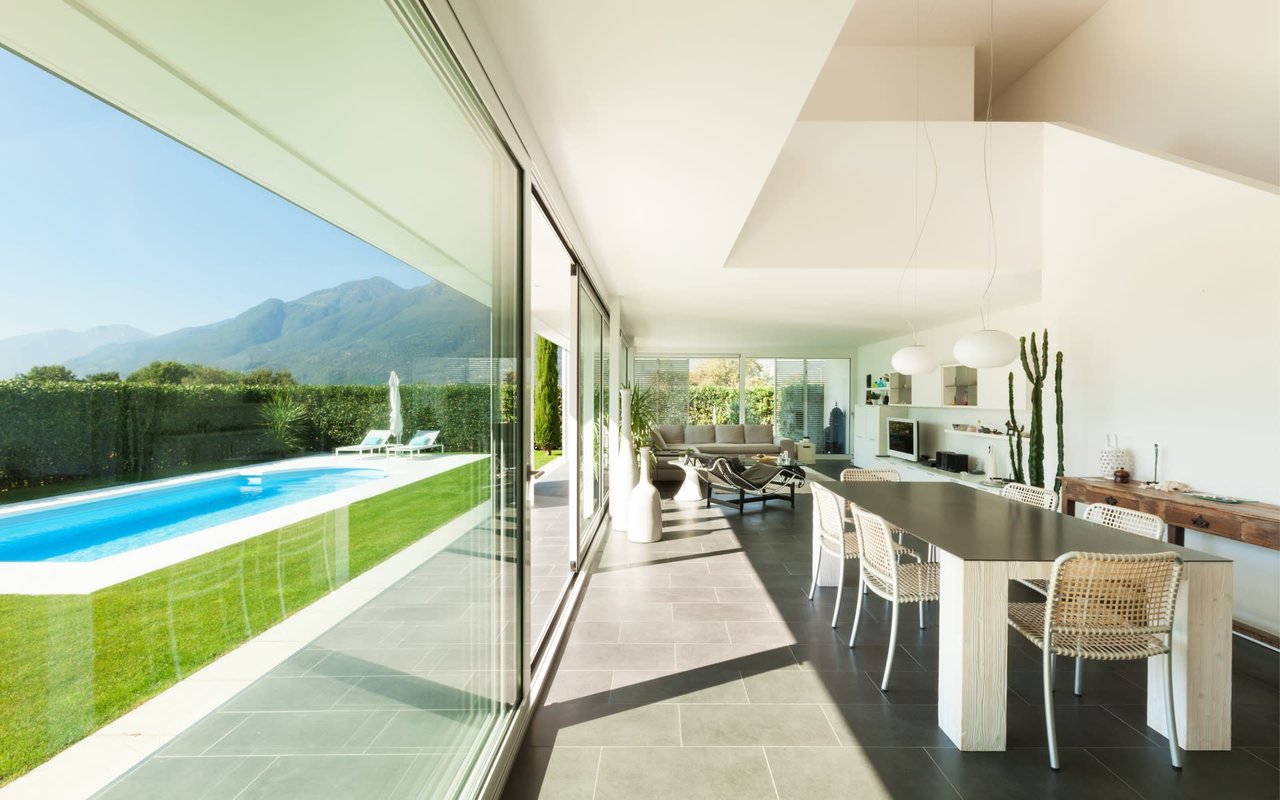
A newer Durham neighborhood may be a better fit if you want fewer unknowns and lower near-term renovation risk. Newer homes are more likely to have updated insulation and air sealing from the start, which can reduce early ownership projects. That does not make one choice better than the other, but it does make the trade-offs clearer.
A simple way to frame your decision is this:
| Priority | Duke Forest May Fit Better | Newer Durham Community May Fit Better |
|---|---|---|
| Home style | You want individuality and architectural variety | You want a more predictable design package |
| Setting | You value mature trees and an established feel | You prefer newer streetscapes and less exterior upkeep risk |
| Condition | You can evaluate updates carefully and accept some unknowns | You want newer systems and fewer immediate projects |
| Layout | You are open to more traditional floor plans | You strongly prefer open-concept living |
What Helps Resale Later
If resale matters to you, the strongest long-term position is often a home that keeps its original character while clearly documenting major updates. In a character-home market, buyers are often drawn to authenticity, but they still want confidence in the big-ticket items.
That means records matter. If a home has documented system improvements, permitted additions, or thoughtful upgrades that respect the original design, that can make the property easier to evaluate when it is your turn to sell.
In other words, the sweet spot is usually not “untouched” and not “stripped of character.” It is a house that still feels like Duke Forest while functioning more comfortably for modern life.
A Smart Buying Framework for Duke Forest
If you are seriously considering Duke Forest, use a simple decision framework instead of relying on first impressions alone.
Start with the emotional test. Ask yourself whether the privacy, mature landscaping, and architectural personality genuinely matter to you. If those qualities are central to your idea of home, the neighborhood may be worth the extra diligence.
Next, run the systems test. Look closely at insulation, air sealing, ventilation, roof age, mechanical updates, and any signs that comfort improvements may still be needed. A beautiful house that needs major behind-the-scenes work is a different purchase than a beautiful house with the right updates already in place.
Finally, run the lifestyle test. Decide whether you want a forever home, a shorter-term resale play, or a lower-maintenance option elsewhere in Durham. Your timeline should shape how much renovation complexity you are willing to accept.
If you want help evaluating a Duke Forest home with a clear process and a practical eye for trade-offs, Chris & Kevin Knapp - Main Site can help you think through the details and move with confidence.
FAQs
What makes Duke Forest in Durham appealing for character-home buyers?
- Duke Forest appeals to character-home buyers because it developed as a neighborhood of individualized homes with mature landscaping, deep setbacks, and a mix of architectural styles rather than one repeated subdivision pattern.
What home styles can you find in Duke Forest?
- Duke Forest includes a mix of period-revival homes such as Tudor or English Cottage and Colonial Revival, along with later modernist homes and newer infill designed to fit the surrounding streetscape.
What should you check before buying an older home in Duke Forest?
- You should check floor plan function, major system updates, insulation and air sealing, documentation for additions or exterior changes, possible pre-1978 lead-paint issues, and whether the property has any local historic designation.
Do Duke Forest homes in Durham always have large lots?
- Not always. The most accurate description is that Duke Forest tends to feel spacious and wooded, with some pockets that feel more estate-like, rather than every property having a uniformly large lot.
Could historic rules affect renovations on a Duke Forest home?
- Yes. If a specific property is locally designated historic, exterior changes require a Certificate of Appropriateness before work or permits can begin, so buyers should verify the status of the home early.
Is Duke Forest better than a newer Durham community for every buyer?
- No. Duke Forest is often a better fit if you value individuality, mature trees, and established neighborhood character, while a newer Durham community may work better if you want fewer unknowns and less near-term renovation risk.